Sargassum
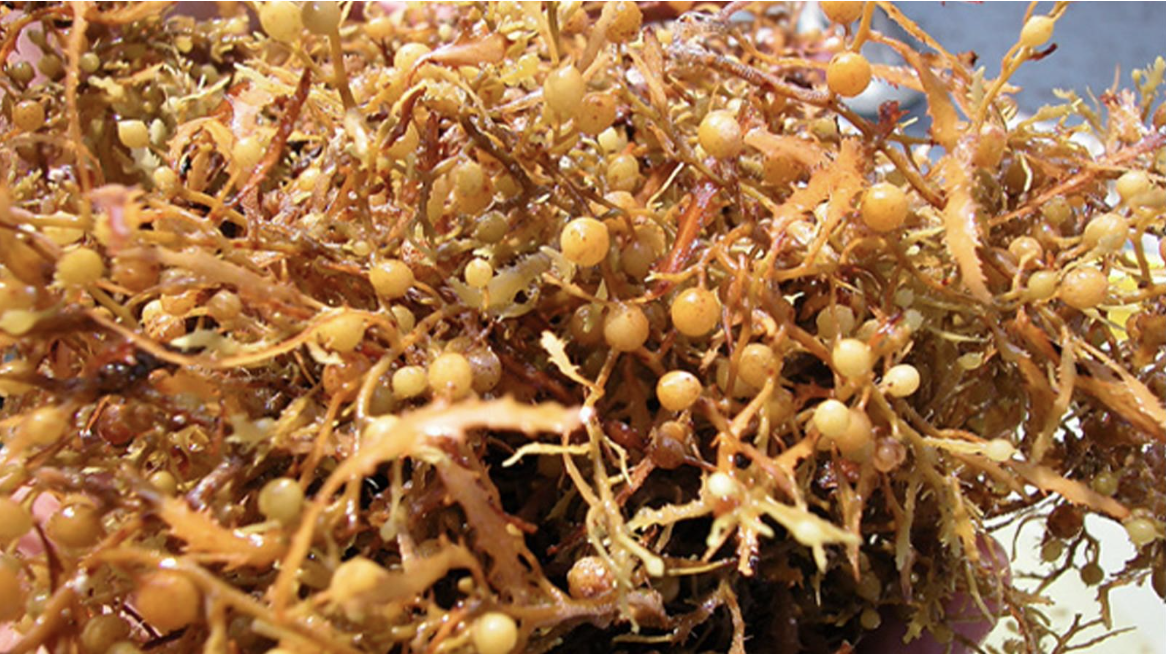
(AOML Communications, 2021)
Introduction
Sargassum is a collective term for a free-floating, pelagic brown algae comprised of two species (Sargassum natans and Sargassum fluitans). In smaller amounts, Sargassum can benefit fisheries by creating habitats in open ocean environments. However, since 2011, scientists have observed large expansions of the Great Atlantic Sargassum Belt, a vast expanse of floating algae that stretches from West Africa to the Gulf of Mexico (Dalton, 2026). Researchers have predicted that warmer ocean temperatures, nutrient runoff, and changing current patterns have created conditions that favor rapid Sargassum growth. According to Sennai Habtes, a UNC alumnus and Head of Fisheries for the USVI’s Department of Planning and Natural Resources, there are still differing theories about where the excess biomass originated, with some scientists believing it drifted from the Sargasso Sea while others think much of it formed independently in the southern Atlantic. Although the exact causes are still being studied, the impacts on fisheries and coastal economies are becoming clear.
Habitats and Location of Sargassum
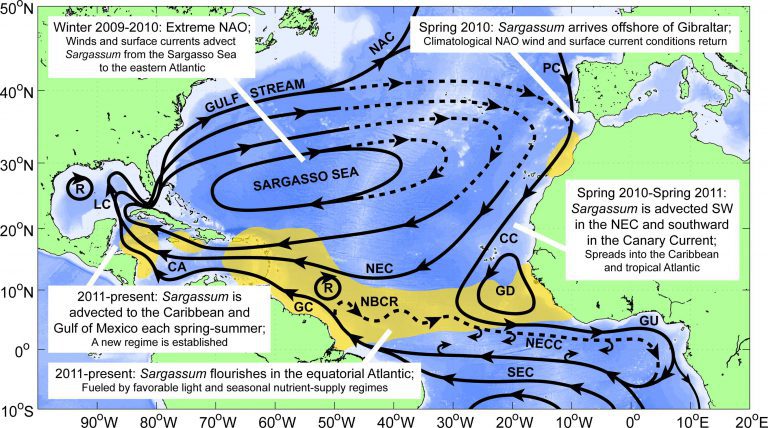
Pathway Sargassum exits the Sargasso Sea to the tropical Atlantic and Caribbean Sea (AOML Communications, 2020)
Once found mainly in the Sargasso Sea, Sargassum now stretches across the Great Atlantic Sargassum Belt, which extends from the coast of West Africa to the Gulf of Mexico (Jin et al., 2025).
Biology/Ecology
This section needs to be updated to only include S. natans and S. fluitans.
Ecological Roles
Floating Sargassum beds serve critical ecosystem functions to a variety of marine species. These habitats contain a diverse assemblage of creatures including fish, sea turtles, and over 145 species of invertebrate, including sponges, fungi, bacteria, and protists (Huffard et al., 2014).
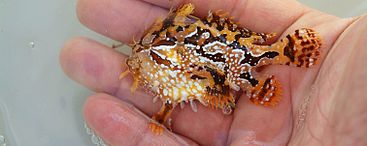
Sargassum fish (SEFSC Pascagoula Laboratory, 2009)
Effects on Marine Ecosystems and Fisheries
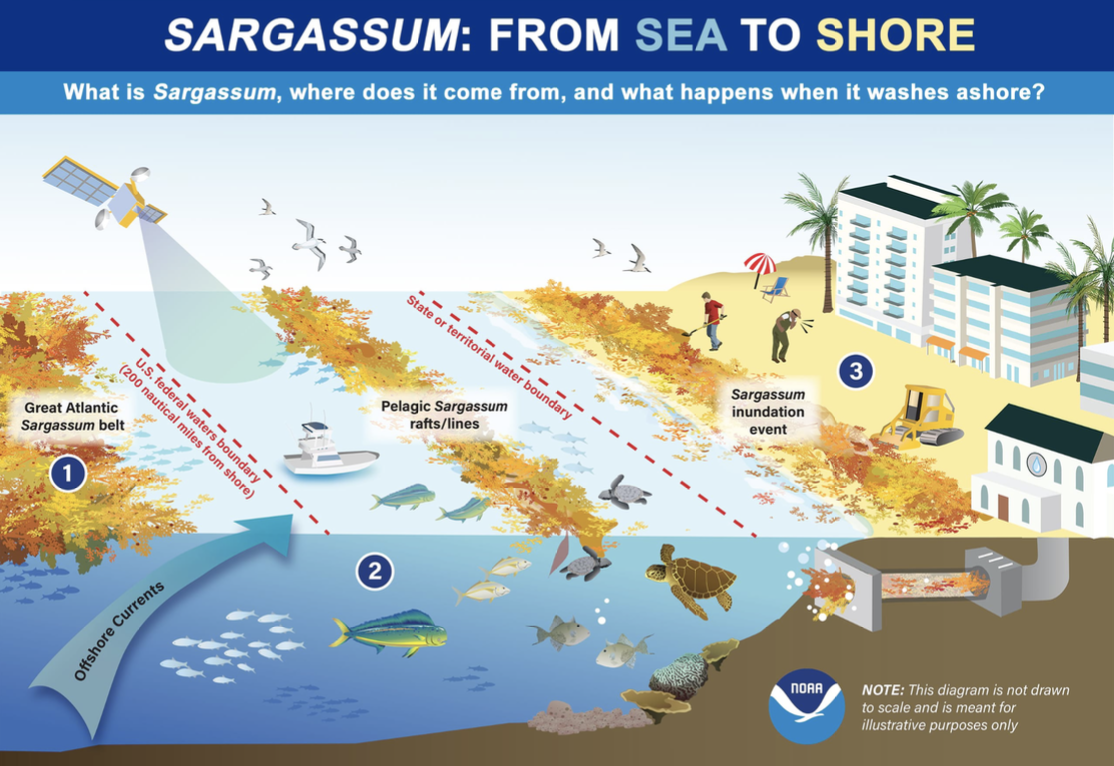
Sargassum Cycle (National Oceanic and Atmospheric Administration, 2024)
A Sargassum Inundation Event (SIE) is when large amounts of Sargassum float into nearshore waters or onto beaches. Sargassum is a home for some marine species when it floats in the open ocean, but it becomes destructive as it comes inshore. When inshore Sargassum begins to decompose, it creates “dead zones,” which come from the Sargassum consuming all the oxygen and preventing light from penetrating the water (Jin et al., 2025; Resiere et al., 2018). This results in an environment in which coral, seagrass, and fish cannot survive. These dense patches of Sargassum can also become physical barriers for sea life; for example, adult turtles can become caught in the macroalgae, and they also restrict access to beaches used for nesting (Burrowes et al., 2019).
Effects on Fisheries
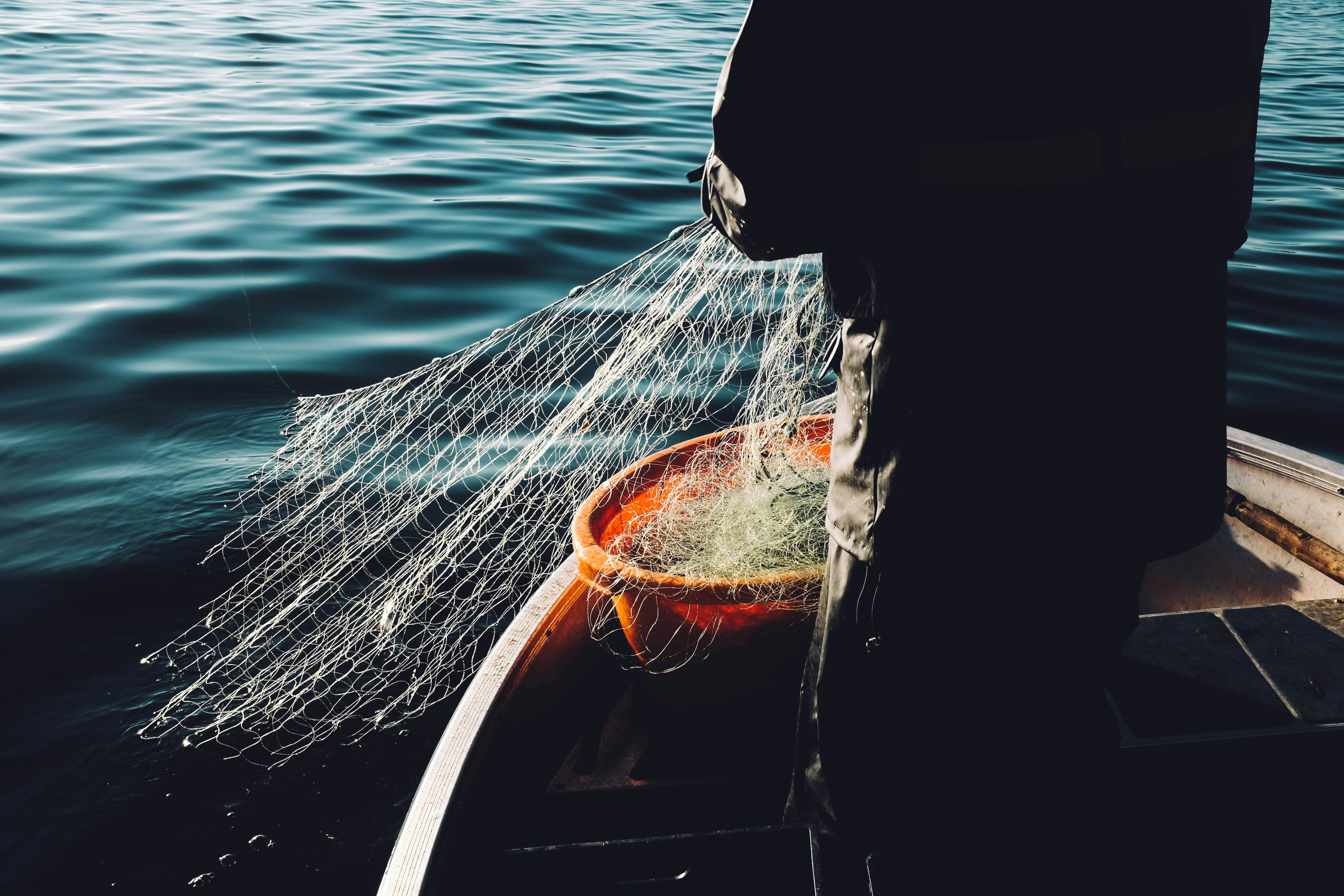
Man Holding a Fishnet. Photo by Fredrik Öhlander via Unsplash.
Under normal conditions, Sargassum can be a highly productive offshore habitat that supports marine food webs. Researchers often describe pelagic Sargassum mats as “floating nurseries” because they provide food, shelter, and breeding habitat for many marine organisms. These organisms gather within the mats, creating feeding grounds for larger predators. Commercially important species such as mahi-mahi (dolphinfish), tuna, marlin, triggerfish, and amberjack commonly occur near Sargassum habitats, making these areas vital fishing grounds throughout the Atlantic and Caribbean (Asociados et al., 1999–2011). A checklist of fishes collected in association with pelagic Sargassum in the Gulf of Mexico documented dozens of such species across more than a decade of surveys (Hoffmayer et al., 2005; Asociados et al., 1999–2011). In 2023, Rodríguez-Martínez et al. found that Sargassum habitats continue to serve as important feeding/refuge areas for various commercially fished species across the Caribbean and the Gulf of Mexico.
As Sargassum clumps together in greater amounts near coastlines, its ecological benefits turn harmful. Big floating blooms block sunlight from reaching coastal waters, damaging coral reefs, seagrasses, and other marine organisms that depend on the sunlight to survive. This creates problems for fisheries because coral reefs and seagrass beds are important feeding areas, nursery grounds, and shelter for many commercially fished species. As these habitats are reduced, fish reproduction declines, and fish populations decline in the long term.
Environmental damage only worsens when Sargassum washes ashore and begins to decompose. During decomposition, oxygen-consuming bacteria break down the algae, creating hypoxic and anoxic zones where marine organisms cannot survive. Fish kills linked to decomposing Sargassum are becoming more common throughout the Caribbean. Researchers have also shown that decomposition releases harmful compounds, such as hydrogen sulfide and ammonia, into water and the atmosphere (EPA, 2025). One study found that “the chemical and habitat changes produced by SIEs and Sargassum decomposition (low dissolved oxygen, low pH, and elevated hydrogen sulfide and ammonia) can accumulate in the ecosystem, impacting the availability of food and other habitat resources to aquatic animals, including fishes” (Rodríguez-Martínez et al, 2023). These conditions force marine species to migrate away from affected areas, altering the local composition of marine communities. While SIEs do not necessarily reduce the abundance of every species, they can create instability within fisheries by changing which species are available, when they are caught, and at what developmental stage they are caught. A study of Barbados fisheries found both positive and negative biological impacts associated with Sargassum, including increased abundance of certain juvenile fishes. However, these changes raised management concerns because larger numbers of juvenile dolphinfish were caught before reaching maturity, potentially reducing future replenishment of the stock. Fishers reported shifts in common seasonal patterns as well, with juvenile dolphinfish becoming available almost year-round while species such as wahoo were absent during expected periods. These types of changes make it more difficult for fishers, seafood vendors, and managers to predict harvests, maintain stable income, and sustainably manage future fish stocks. The same study found that the harvest sector was most affected by SIEs and that the industry largely relied on short-term strategies rather than adopting long-term adaptation measures. In many Barbados communities, fishing supports local food security, economies, and cultural traditions, meaning that increasing variability and uncertainty in fisheries can have consequences that extend well beyond the water (Ramlogan, 2017).
Fisheries depend on stable ecosystems that support reproduction, recruitment, and consistent fish availability. Researchers from the Universidad Nacional Autónoma de México documented that SIEs alter the conditions of coastal habitats by reducing dissolved oxygen, increasing toxic compounds such as hydrogen sulfide and ammonia, and degrading coral reef and seagrass ecosystems. All of these stressors reduce the quality of habitats for commercially important species. They similarly disrupt normal patterns of fish abundance and distribution. As a result, fish populations become less stable in these regions, affecting fishery productivity (Rodríguez-Martínez et al., 2023). Another study in 2023 by the World Maritime University found that prolonged Sargassum influx events in Barbados contributed to “extremely low catches in the flyingfish industry with a 51.5% decrease in mean monthly landings” by 2019, illustrating how ecosystem disruption may directly reduce fishery productivity and threaten regional food security (Alleyne, 2023). The same study found that Almaco Jacks experienced a rapid increase in population at the same time the flyfish population dropped. While the effects of Sargassum may not always be negative, repeated SIEs can alter species abundance and composition, possibly resulting in reduced catches that threaten both the economic security and daily lives of community members who depend on marine resources.
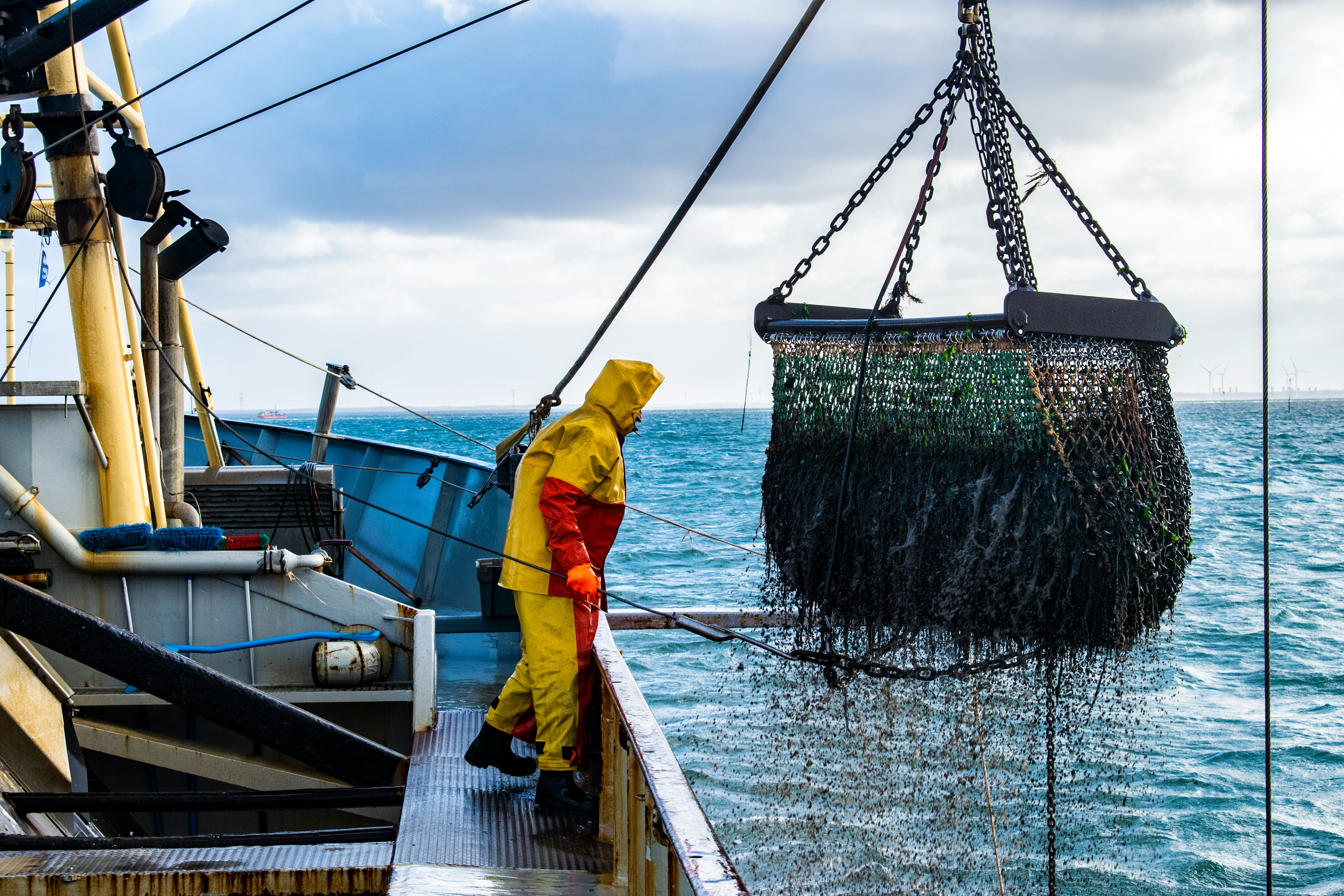
Sargassum Accumulation within Fishing Net. Photo by Paul Einerhand via Unsplash.
Effects on Fishing Machinery
SIEs damage more than just marine ecosystems; they also create major problems for fishing machinery, vessels, and coastal infrastructure. Large mats of floating algae clog common fishing grounds, making it difficult for boats to reach productive waters. Fishing nets and propellers often become entangled with the algae, forcing fishers to spend additional time and labor clearing the equipment rather than actively fishing. These delays reduce efficiency and increase fuel and maintenance costs for commercial and smaller-scale fisheries throughout the Caribbean and Gulf regions. Boats often use seawater cooling to cool their engines. When large amounts of Sargassum enter these intake pipes, the systems become blocked, preventing proper cooling. Because of this, engines can overheat or even shut down, leaving boats stuck. NOAA has explained how vessel and infrastructure damage is one of the major economic impacts associated with SIEs (NOAA, 2024). For many smaller-scale fishers who depend on daily catches for income, even short-term engine problems can delay work and cause financial hardship.
In extreme cases, Sargassum accumulation has even damaged major industrial infrastructure. On April 18th, 2023, toxic gas levels produced by decomposing Sargassum in Guadeloupe became so severe that air-quality officials advised vulnerable residents to evacuate. Weeks after the evacuation, Sargassum blockaded an intake pipe at the Punta Catalina electricity plant in the Dominican Republic, forcing the facility’s units to temporarily shut down. During repair efforts, a diver named Elías Poling drowned while attempting to fix the clogged system (Kassam, 2024). These incidents demonstrate the severity of Sargassum inundation events and highlight that they are no longer simply an environmental problem but an issue that’s capable of destroying infrastructure and disrupting public safety.
According to Sennai Habtes, a lesser-known but serious problem associated with Sargassum is electrolysis. During decomposition, Sargassum releases salt, moisture, and caustic compounds into the environment, promoting rapid electrochemical reactions that damage electronics and machinery. Sennai explained that this electrolysis effect can “fry” electronics in environments with high levels of Sargassum. Boats, navigation systems, electrical components, motors, and even land vehicles have become highly vulnerable to corrosion and electrical failures. Communities and fisheries that depend heavily on expensive electronics, such as sonar equipment, communication systems, and engine controls, face a financial burden. Constant exposure to corrosive Sargassum conditions may shorten equipment lifespans and dramatically increase maintenance expenses.
Even with these harmful impacts, newer research shows that Sargassum could also hold economic value if properly managed and studied. Scientists have recently developed battery materials using carbon derived from Sargassum tenerrimum for advanced aqueous zinc-ion batteries (Attokkaran et al., 2026). Researchers found that these Sargassum-derived materials maintained about 95% of their energy storage capacity after 5,000 charging cycles, implying strong potential for low-cost, sustainable energy storage technologies. Although SIEs currently cause major environmental/economic damage, future innovations could turn these harmful blooms into useful industrial resources. Exploring uses such as making batteries, fuels, and other materials could improve mitigation and create economic opportunities in areas affected by the SIEs.
Economic Effects from Fishing Tourism and Cleanups
The tourism and fishing industries in the Caribbean are interconnected, meaning economic losses from Sargassum often affect multiple sectors simultaneously. Recreational fishing tourism, seafood restaurants, fishing charter boats, and local fish markets all rely on healthy ecosystems and stable fish populations. When beaches are covered in Sargassum and waters experience fish kills or declining biodiversity, tourism demand decreases, and fisheries lose productivity. This creates a devastating economic impact, as coastal communities lose revenue from both visitors and the seafood industry.
Researchers from the Woods Hole Oceanographic Institution (Dalton, 2026) and the University of Rhode Island found that recurring SIEs may eventually cause annual economic damage totaling billions of dollars across parts of the Caribbean and Florida. Cleanup operations alone require massive investments from governments already facing financial strain from reduced tourism and declining fishery profits. Sylvie Gustave-dit-Duflo, the president of the French Biodiversity Office, states that Caribbean nations recorded economic losses of more than $102 million from Sargassum in 2022 alone (Kassam, 2024). She stated that these estimates excluded additional losses in other Caribbean territories and the enormous costs of beach cleanup efforts, which may exceed $210 million annually, further highlighting the economic impact of SIEs (Davis, 2026).
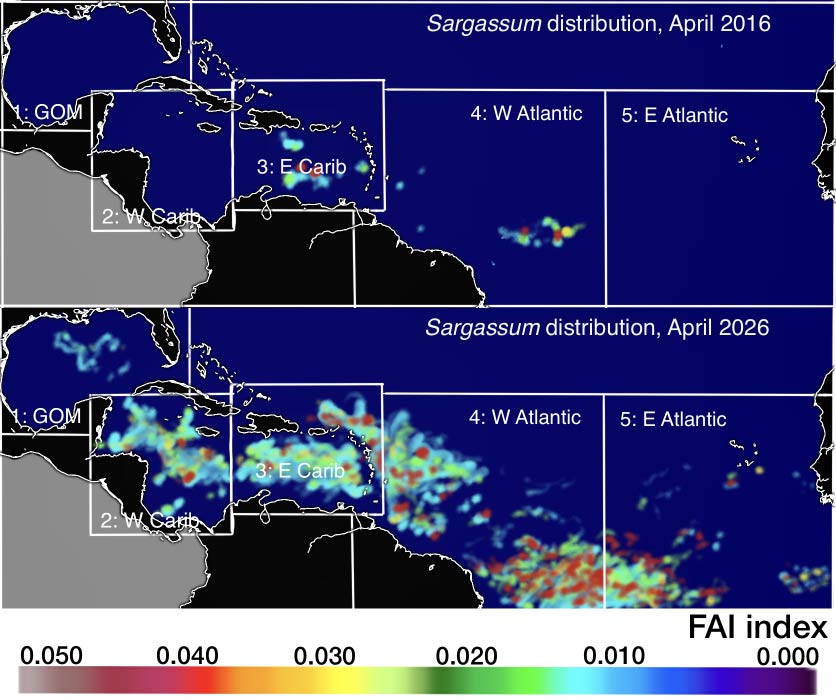
Sargassum Extent in April 2016 vs April 2026. Figure created by authors using satellite data from Optical Oceanography Laboratory and NASA MODIS Satellite.
Future Efforts and Research
Future research and mitigation efforts will become increasingly important as Sargassum blooms continue to intensify with climate change. Scientists are currently using satellite imagery, bloom forecasting models, and tools such as the Floating Algae Index to track bloom movement and predict where major beaching events may occur (USF Optical Oceanography Lab). Since 2018, the University of South Florida’s Optical Oceanography Lab has published monthly outlooks to help fisheries and coastal communities get ready for these events (USF Optical Oceanography Lab). Even with this, just monitoring the SIEs will not solve the problem. More research is needed to understand how the warming ocean temperatures, nutrient pollution, and shifting currents are causing bloom formation (NOAA, 2024). Improvements in harvesting strategies, cleanups, and engineering corrosion-resistant fishing equipment could also help reduce the ecological and financial damage caused by Sargassum throughout the Caribbean regions (NOAA, 2024).
Effects on Coral Reefs
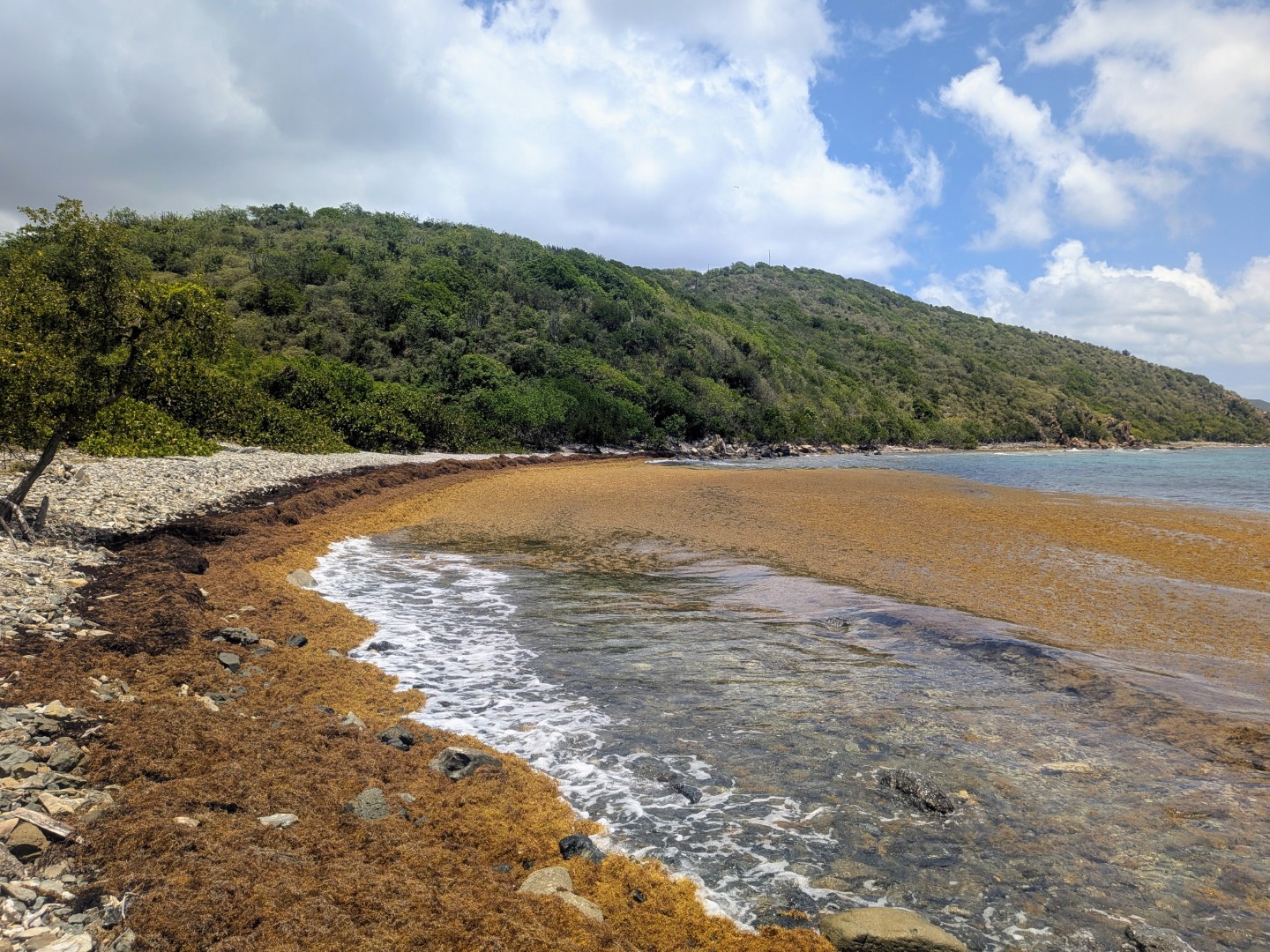
Sargassum smothering the shore and near-shore reef at Haulover Bay, St. John in May 2026. Photo by Brian Naess
Sargassum Inundation Events (SIEs) in the Caribbean are known to negatively impact coral reefs. For example, as described by van Tussenbroek et al. (2017), the 2014-2015 SIE on the Mexican Caribbean coast caused “total or partial mortality” of nearby corals. However, SIEs may benefit or have no measurable impact on reefs, as evidenced by Lankes et al. (2025), who found that Sargassum had no significant effect on A. cervicornis growth in a Florida Keys reef. SIEs alter water quality, nutrient concentration, microbial environment, and sunlight availability surrounding coral reefs. Thus, SIEs may prevent typical growth and development of corals and disrupt reef biodiversity, but may protect against bleaching and other environmental stressors.
Water quality
Coral reefs exist in very small areas of the world and require very specific conditions to thrive. When a SIE occurs, the water quality of an area can drastically change. There are few benefits of a SIE on water quality. However, some possible benefits to these events are nutrient uptake, habitat support, and wave attenuation. Sargassum absorbs nutrients from the water that surrounds it (Claquin et al., 2025). Coral reefs tend to thrive in low-nutrient waters. When nutrients in the water spike, corals can eject their photosynthesizing symbiont, therefore bleaching them. It is possible that during a eutrophication event, live sargassum could act as a sponge to excess nutrients in the water. However, this is only a hypothesis, and research in this area is very sparse. Additionally, sargassum creates a floating mat on the surface of water with significant surface area for organisms to live in (McGillicuddy et al., 2023). The biodiversity of the Sargasso Sea is a prime example of this habitat being put to use. As sargassum is introduced into the Caribbean, it can create possible increased habitat support for nearby ecosystems. Finally, wave attenuation is another possible benefit of the presence of sargassum mats. Floating mats of sargassum may act as a potential wave-dampening tool in the surface waters, protecting some of the low-energy areas where coral reefs of the Caribbean exist in. Primary literature on this subject is also very sparse.
The negative effects of sargassum presence on coral reefs and general water quality are better understood than the possible benefits. After a SIE occurs, the sargassum begins to rapidly decompose. The bacteria that fuel this decomposition process respirate in great amounts, creating hypoxic conditions (lacking oxygen). Teran et al. found dissolved oxygen (DO) levels between 0 - 7.15 mg/L in areas with extreme amounts of sargassum, well below levels necessary for life in typical coral reef conditions (Teran et al, 2025). They also stated that sublethal effects occur at levels below 4.6, and death can occur at concentrations above the hypoxia limit of 2 mg/L (Teran et al., 2025). Decreases in dissolved oxygen content can kill near-shore fish and reef creatures on a large scale, reducing overall reef biodiversity. Larger fish and creatures of a given species tend to die first, along with species that have higher oxygen requirements (Francis-Floyd, 2020). Additionally, decomposition of sargassum releases leachates and organic matter that alter the water’s chemical conditions, specifically pH (Muñoz et al., 2021). Decreases in pH lower the availability of calcium carbonate in the ocean, which calcifying organisms such as oysters need to build and maintain their shells and skeletons. (“Ocean acidification”, 2025). It can also affect the behavior of reef fish, including their smell, sight, and hearing (Patterson et al., 2020). Sargassum decomposition increases concentrations of both ammonia and hydrogen sulfide, creating a toxic environment for many reef organisms. High ammonia concentrations disrupt basic cell function, induce stress, and damage brain and nerve function. It can also harm vital organs, undermining their survival, development, and reproduction (Yun et al., 2026). Hydrogen sulfide can cause mass mortalities of fish by impairing respiration through the inhibition of an enzyme that cells need to produce ATP. Tolerance of hydrogen sulfide varies significantly between fish species and life stage (Bergstedt et al., 2022).
Increased nutrients in the water from sargassum decomposition can cause secondary algal blooms, worsening the hypoxia, acidification, and eutrophication of coral reef environments. In addition, decomposing sargassum makes the surrounding water brown and turbid with organic matter, adding another element of shading to the water, decreasing zooxanthellae’s ability to photosynthesize (Muñoz et al., 2021). These compounding changes in water quality can completely alter an ecosystem’s dynamic equilibrium and can kill important fish, benthic organisms, and corals. As mentioned previously, sargassum absorbs nutrients from the water very easily when it is alive, but when it begins to decompose, all of the inorganic heavy metal pollutants, such as chlordecone and arsenic, can leach back into the coral reef environment (Claquin et al., 2025).
Microbial Environment
A SIE is typically followed by a mass decomposition of the sargassum in an area. This decomposition significantly increases the number of microbes in the water, which has both positive and negative effects on the coral reef. Due to the increasing amounts of microbes in the water during the event of sargassum decomposition, there is the possible benefit of nutrients being recycled by these microbes and reintroduced for phytoplankton usage (Claquin et al., 2025). However, it is well understood in current research that sargassum decomposition has a greater negative effect on a coral reef’s microbial environment than a positive one. The decomposition of Sargassum can harbor bacteria that cause coral diseases, it alters microbial composition around corals, and leachates may chemically stress coral larvae and reef organisms (Chávez, 2020). Consequently, the introduction of new bacteria and water quality changes associated with sargassum decomposition may increase coral disease, with the extreme case of coral mortality (Kline et al., 2006). Coral health and survival rely on a delicate symbiotic relationship between the coral polyp and the photosynthesizing microbe zooxanthellae. Coral disease can stress coral polyps to the degree where they eject their symbiont, and changes in the microbial environment can make coral diseases more prevalent. Additionally, the leachates released by Sargassum when decomposing can further stress coral polyps, adding to the issue of stress “bleaching”.
Shading
Sargassum creates dense, thick barriers that limit the amount of sunlight penetrating through the water column, which impacts the health and livelihoods of coral reefs in these areas. The cover of sargassum over areas of coral reef presents many negative results. Macroalgae influence coral recruitment in many different ways. The formation of canopy-like structures over the coral from Sargassum presents a barrier. This blockage results in altered water flow, substrate shading, and planulae, baby corals, are not able to reach the ocean floor, where they settle and grow. Dense canopies of Sargassum create a physical barrier that restrains the coral larvae from settling on the reef substrate. So, the presence of Sargassum cover has a direct relationship with lower recruitment, meaning fewer corals can grow into mature corals on the reef. (Burgo et al., 2025) Light levels are reduced when there is a formation of Sargassum canopies, which limits the ability of photosynthesis within the water. (River and Edmunds, 2001) Without access to sunlight, the zooxanthellae within the coral are not able to photosynthesize, which can lead to coral bleaching. Reduced sunlight from shading reduces plants’ and corals’ ability to photosynthesize, slowing their growth or killing them, altering the food web of a reef ecosystem, creating a trophic cascade. This then directly reduces the food sources of fish and creatures that are primary consumers. It also indirectly reduces the food sources of secondary and tertiary consumers, overall reducing biodiversity.
However, shading does not cause as much of an impact on coral reefs as other effects from Sargassum. The chemical compounds that are released from the sargassum create a bigger issue than the shading. Shading from macroalgae, specifically Sargassum, can damage the corals, but in short spans, such as over a two-month study, not much damage is observed. (Bonaldo and Hay, 2014) So, although Sargassum can have widespread impacts on coral, shading is not an extensive concern. Sargassum can reduce light levels on reefs, but shading alone has had limited effects on coral growth. (River and Edmunds, 2001)
As seen in studies of turbidity and various algae cover, Sargassum presents some positive impacts from the shading it provides over the coral. (Lankes et al., 2025) Coral bleaching is often a result of high water temperatures and intense sunlight. However, blockage of direct sun into the ocean can reduce heat exposure, which can weaken the stress on the corals. High turbidity reduces stress on the corals, which reduces the likelihood of coral bleaching. (Woesik and McCaffrey, 2017) The positive impact of shading from high turbidity is likely transferable to the shading impacts of Sargassum. Shallow waters in particular can be more protected from solar radiation in these conditions, but only at moderate levels. (Cacciapaglia and Woesik, 2015) If shading from Sargassum is present at light to moderate levels, the impact can be positive.
Growth and Reproduction
Although limited research is available specific to the impact of pelagic sargassum on coral reef growth and reproduction, Antonio-Martínez et al. (2020) found that Leachates of S. fluitans and S. natans disturb A. palmata larval motion, reducing larval dispersion and disrupting larval settlement patterns. This may prevent coral reproduction and overall reef growth during and following a SIE. Studies on other macroalgal species can provide some insight into the potential effects of SIEs. In a study of a shallow reef in Jamaica, physical contact with other macroalgal species (J. Agardh) reduced porite coral growth due to abrasion, causing polyp retraction in (River and Edmunds, 2001). Abrasion and physical contact with pelagic sargassum during a SIE may reduce coral growth in a similar manner. Additionally, Rasher and Hay (2010) found that direct physical contact with various seaweed species and their extracts caused porite bleaching and mortality. S. fluitans and S. natans may cause coral stress and mortality in a similar manner. A study of the Great Barrier Reef by Burgo et al. (2025) showed that native sargassum species form physical barriers and alter water flow, preventing the movement of coral planulae. Additionally, this study showed that greater macroalgal abundance was associated with reduced coral recruitment, and the removal of macroalgae increased coral recruitment. This aligns with a study by Kuffner et al. (2006), showing that a variety of macroalgal species inhibited P. astreoides larval recruitment and increased larval mortality. S. fluitans and S. natans near Caribbean reefs may cause similar effects, preventing reef recovery and growth. More research specific to the impacts of pelagic sargassum species on Caribbean reef growth and reproduction is necessary due to the increasing frequency of SIEs, but it can be expected that SIEs have a negative impact on reef health and recovery through the disruption of coral settlement and physical abrasion.
SIEs also disrupt the growth and reproduction of other reef inhabitants, such as sea turtles, by creating a physical barrier. It decreases the ability of sea turtles to reach shore to lay their eggs, and sargassum piled up on shore reduces viable areas for nesting (Maurer et al., 2015). It also increases the time it takes for hatchlings to reach the ocean, making them more vulnerable to predation (Appelt et al., 2025). In addition, shading has been found to alter the sex ratio of hatchlings, creating more males (Hewapathiranage and Rajakaruna, 2026). Increases in Sargassum on shore could lead to an increase in shading of sea turtle nests. This could negatively disrupt the current sex ratio balance, but could also potentially combat future disruptions of sex ratio imbalances brought by climate change. Plants and coral provide shelter for many kinds of fish and creatures, especially juveniles. Sargassum’s negative impact on coral and plants would also decrease these organisms’ current protection from predators. However, Sargassum can also act as shelter for aquatic organisms. Studies have shown that higher concentrations of Sargassum can increase fish diversity and abundance. This relationship is suggested to be a result of the shelter and food sources provided by Sargassum to juvenile fish (Webber et al., 2024). While Sargassum can act as a shelter, not all organisms will find it equally attractive. Grazing and browsing fish were found to avoid areas with high concentrations of sargassum, choosing to remain in open water with less macroalgae (Hoey and Bellwood, 2011).
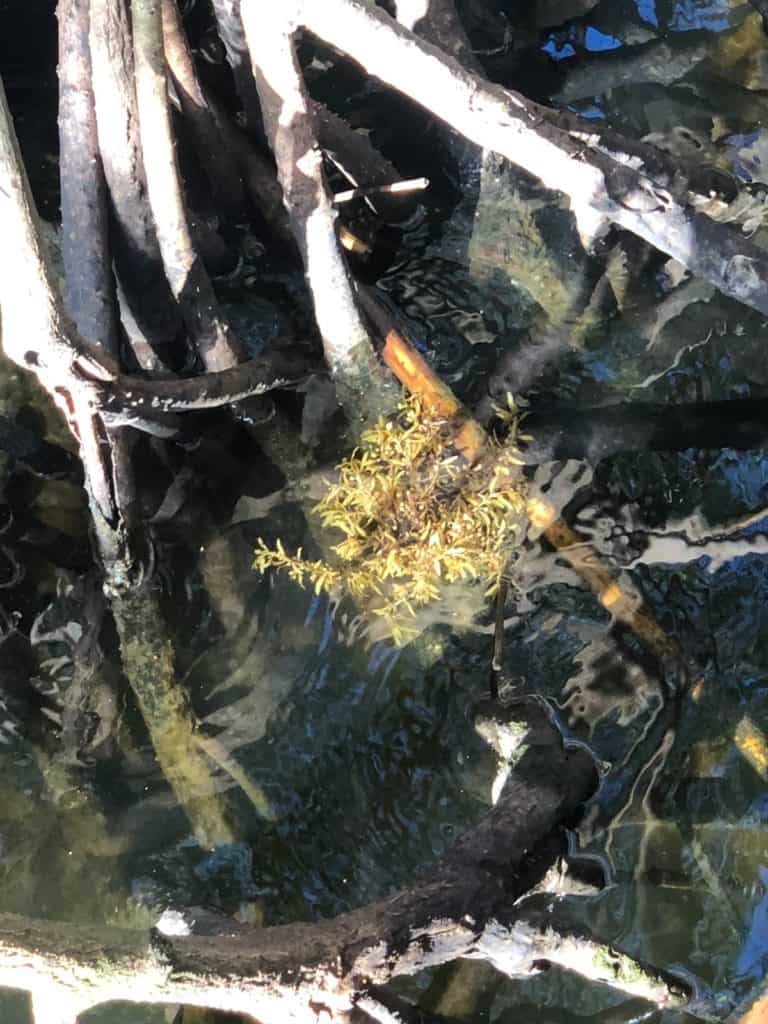
Sargassum trapped near the mangrove shoreline, showing dense accumulation. Photo by Sean McCoon
Impacts on Mangrove Ecosystems
Mangrove forests and seagrass meadows are among the most important coastal ecosystems in the Caribbean. Mangroves protect shorelines from erosion, store carbon, and provide nursery habitat for numerous fish and invertebrate species. Seagrasses stabilize sediments, improve water quality, and serve as feeding grounds for sea turtles, manatees, and many commercially important fish species. However, increasing SIEs threaten both ecosystems through shading, hypoxia, habitat degradation, and declining water quality (van Tussenbroek et al., 2017; Rodríguez-Martínez et al., 2019). Understanding these impacts is important for protecting coastal biodiversity and ecosystem services throughout the Caribbean region.
Mangroves are coastal forests made up of salt-tolerant trees and shrubs that grow along tropical and subtropical shorelines. These ecosystems reduce erosion, protect coastlines from storms, store carbon, and provide nursery habitats for fish, shrimp, crabs, and many other marine organisms. However, large Sargassum inundation events can significantly disrupt mangrove ecosystems and the species that depend on them.
Reduced Sunlight and Effects on Nearby Coastal Organisms
Large floating mats of Sargassum often become trapped within shallow coastal waters surrounding mangrove forests. These dense accumulations reduce the amount of sunlight penetrating the water column, limiting photosynthesis in seagrasses, algae, phytoplankton, and mangrove seedlings (van Tussenbroek et al., 2017). Reduced photosynthesis decreases primary productivity and oxygen production, which can affect entire coastal food webs. Mangrove seedlings may experience slower growth and reduced survival when exposed to prolonged shading. In addition, nearby seagrass habitats may decline, reducing nursery habitat for juvenile fish, crustaceans, and other marine organisms that rely on both seagrass and mangrove ecosystems during their life cycles (NOAA, 2024).
Low Oxygen Levels and Declining Water Quality
One of the most significant impacts of SIEs occurs during decomposition. As Sargassum begins to decay, microbial communities rapidly consume dissolved oxygen while breaking down organic material. This process can create hypoxic conditions, where oxygen concentrations fall below levels required to support many marine organisms (Rodríguez-Martínez et al., 2019). Severe hypoxia has been associated with fish kills and widespread mortality of invertebrates throughout the Caribbean (Rodríguez-Martínez et al., 2019).
Decomposing Sargassum also releases ammonia, hydrogen sulfide, and dissolved organic matter into surrounding waters (Resiere et al., 2018; Olguin-Maciel et al., 2022). Hydrogen sulfide is particularly toxic because it interferes with cellular respiration, while elevated ammonia concentrations can impair physiological functions in aquatic organisms. These chemical changes degrade water quality and contribute to the strong odor commonly associated with stranded Sargassum on beaches and coastlines (Resiere et al., 2018).
Habitat Damage and Ecosystem Instability
Mangrove ecosystems serve as critical nursery habitats for juvenile fishes, shrimp, crabs, and many other marine species. Persistent Sargassum accumulations may alter habitat structure and ecological interactions within these systems. Sargassum mats can transport pollutants, pathogens, and non-native organisms between regions, potentially introducing new stressors into coastal ecosystems (Chávez et al., 2020).
Repeated inundation events may reduce biodiversity and weaken the ecosystem services provided by mangroves. Loss of ecological stability can decrease shoreline protection, reduce carbon sequestration, and impair the nursery habitat function that supports fisheries throughout the Caribbean (Chávez et al., 2020).
Impacts on Seagrass Ecosystems
Seagrasses are underwater flowering plants that provide habitat, food, and breeding grounds for many marine species. SIEs can seriously damage these ecosystems by blocking sunlight, reducing oxygen, and physically smothering seagrass beds.
Sunlight Blockage and Reduced Photosynthesis
Seagrasses depend on adequate sunlight to maintain photosynthesis, growth, and reproduction. Dense mats of floating Sargassum reduce light availability by creating a canopy over seagrass meadows, limiting photosynthetic activity (van Tussenbroek et al., 2017). Prolonged shading can weaken seagrass tissues, decrease productivity, and increase vulnerability to disease and environmental stress.
Declining seagrass abundance can have cascading ecological effects because these habitats support a wide variety of marine organisms. Species such as green sea turtles and manatees rely heavily on seagrass as a food source, while many juvenile fishes depend on seagrass meadows for protection from predators (NOAA, 2024).
Seagrass Smothering and Sediment Changes
In addition to blocking sunlight, decomposing Sargassum may physically smother seagrass beds. Large quantities of stranded algae can settle directly onto seagrass meadows, restricting oxygen exchange between sediments and the water column (van Tussenbroek et al., 2017). This physical coverage damages plant tissues and can lead to widespread seagrass mortality.
A study conducted in the Mexican Caribbean documented severe impacts on nearshore seagrass communities following major SIEs, including extensive die-offs of seagrass meadows (van Tussenbroek et al., 2017). Because seagrasses stabilize sediments with their root systems, large-scale losses can increase sediment resuspension, reduce water clarity, and accelerate coastal erosion.
Hypoxia and Marine Animal Mortality
The decomposition of Sargassum contributes significantly to hypoxic conditions in coastal waters. As oxygen concentrations decline, fish, crustaceans, mollusks, and other marine organisms experience physiological stress that may result in mortality (Rodríguez-Martínez et al., 2019). These impacts can extend beyond individual species because seagrass ecosystems support complex food webs that connect multiple trophic levels.
Hypoxia associated with Sargassum decomposition has been linked to mass mortality events affecting a variety of marine organisms throughout the Caribbean (Rodríguez-Martínez et al., 2019). The resulting loss of biodiversity may reduce ecosystem resilience and contribute to long-term ecological instability within coastal environments.
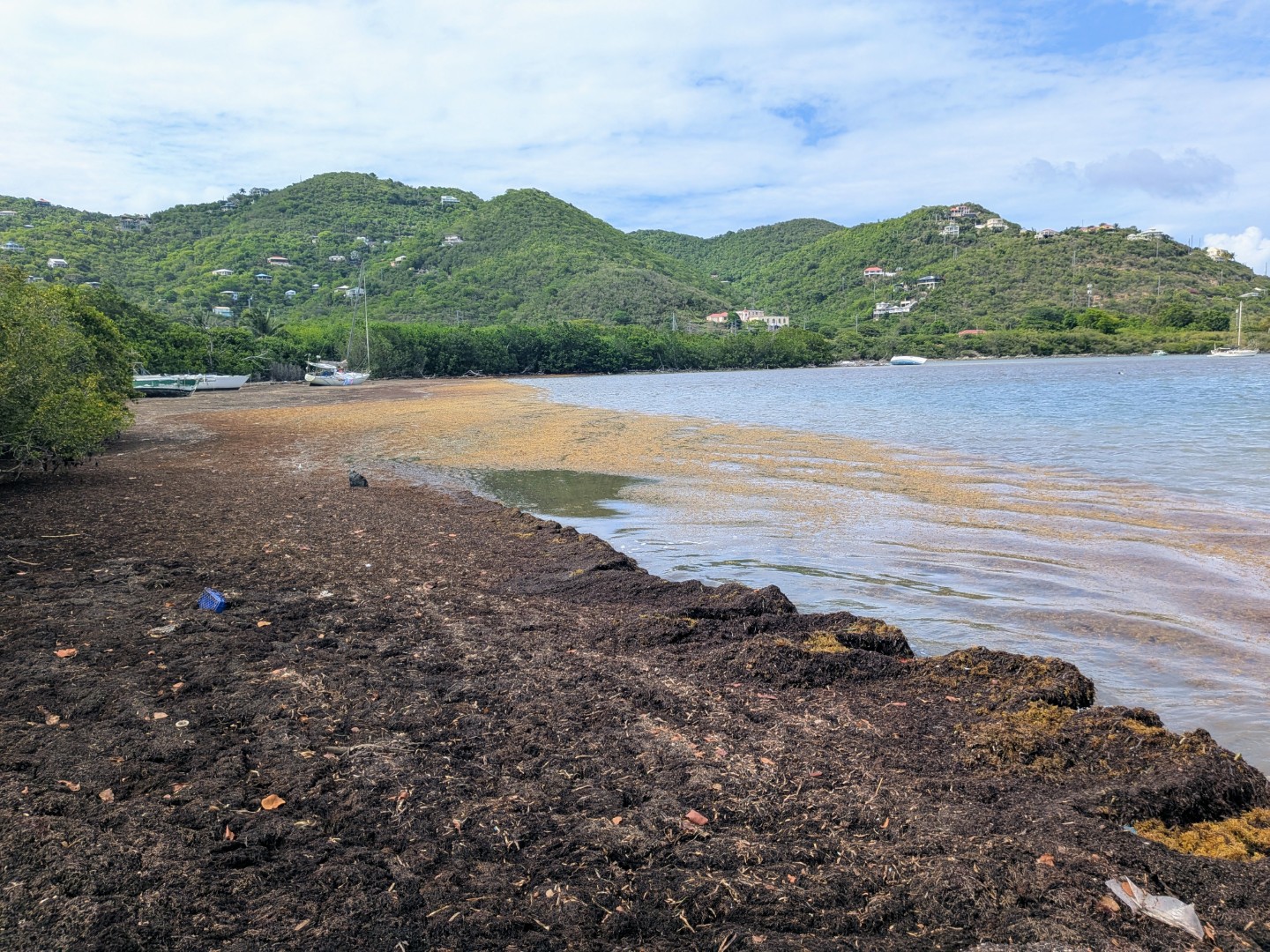
Sargassum in Coral Bay, St. John in May 2026. Photo by Brian Naess
Managing Sargassum
Since 2011, the Caribbean and the U.S. Virgin Islands (USVI) have faced a growing environmental crisis due to Sargassum Inundation Events (SIEs) (Burrowes et al., 2019). While Sargassum has always been a part of the ocean ecosystem, the amount of Sargassum in the ocean became a problem in 2018 when the “Great Sargassum Disaster” hit, resulting in physical, ecological, and socioeconomic impacts in the affected areas. This was not a one-time disaster but a persistent issue for the USVI and wider Caribbean region, with negative impacts on its infrastructure and regional stability (U.S. Environmental Protection Agency [EPA], 2023b). This crisis must be handled efficiently and effectively, taking a comprehensive management approach. There is a need for an approach that combines at-sea diversion, effective collection practices, and awareness of the ecological and public health consequences to manage SIEs in the USVI and the wider Caribbean.
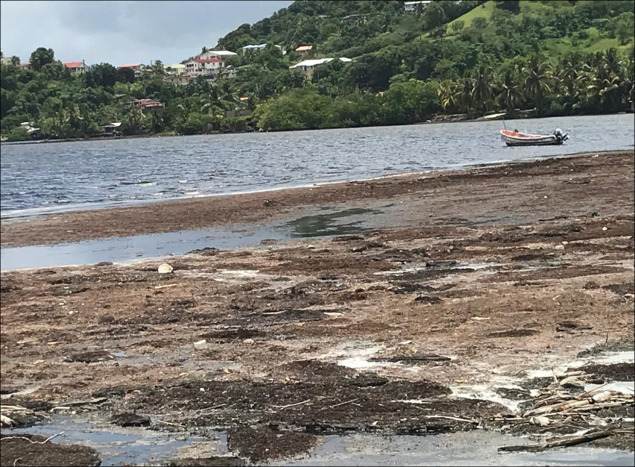
Sargassum on shoreline (Resiere et al, 2018)
Economic Impacts
There is a significant economic impact from these events in the USVI and Puerto Rico, as their economies rely heavily on tourism and fisheries. Studies estimate that the annual economic losses from SIEs in the Caribbean and Florida amount to billions of dollars (Jin et al., 2025). Tourism is struggling due to the seaweed’s unsightly appearance and the foul odor it emits as it decays. The fishing industry is also in distress as macroalgae become caught in gear, altering boat navigation and changing the behavior and numbers of targeted fish species. This results in lower catch rates and decreased income for fishermen. This is a huge financial burden for the USVI, which estimated that removing these inundations costs around $25,000 per day. Sargassum can cause detrimental damage to infrastructure. In St. Croix, in 2022, a state of emergency was declared after excessive accumulations blocked the water intake of a desalination plant during a drought (EPA, 2023).
Public Health Impacts
Beyond economic and ecological damage, sargassum poses an international public health concern. After about 48 hours of Sargassum being beached, it begins to decompose and release toxic gases such as ammonia and hydrogen sulfide (EPA, 2023a). In 2018 alone, there were 11,000 reported cases of acute exposure in the French Caribbean and more that most likely went unreported. Sargassum also accumulates hazardous pollutants; it bioaccumulates heavy metals like arsenic and legacy pesticides. These health risks cause a negative feedback loop with the economy: workers in tourism and tourists themselves get sick or avoid areas with these toxic fumes; the economy becomes unstable as the workforce falls ill, and a nice environment is lost, which perpetuates the decline (EPA, 2023a; EPA, 2023).
Diversion and Containment Methods
Large-scale, unpredictable Sargassum inundation events (SIEs) can quickly overwhelm coastal areas and are caused by changing ocean currents and weather patterns. In August 2022, the Federal Emergency Management Agency (FEMA) declared a federal emergency in response to the massive influx of Sargassum in the U.S. Virgin Islands, in particular, disrupting the drinking water supply on St. Croix. Sargassum in the open ocean is closely monitored and tracked by NOAA; however, it is difficult to accurately predict when, where, and how much will wash ashore (National Oceanic and Atmospheric Administration Southeast & Caribbean, 2025). Therefore, advanced planning and a deep understanding of diversion and containment methods are required for the logistical challenge of managing Sargassum before it reaches shore. The National Oceanic and Atmospheric Administration (NOAA) emphasizes management strategies to prevent Sargassum accumulation onshore; however, in most cases, Sargassum management begins only after it reaches the shoreline. Onshore Sargassum management, such as manual and mechanical raking, poses challenges for islands such as Puerto Rico and the United States Virgin Islands, which have a low capacity for land-based disposal (Carrubba et al., 2025, pg 5). Due to the burden of onshore management for islands like the USVI, offshore interception of Sargassum is the preferred first line of defense in managing SIEs.
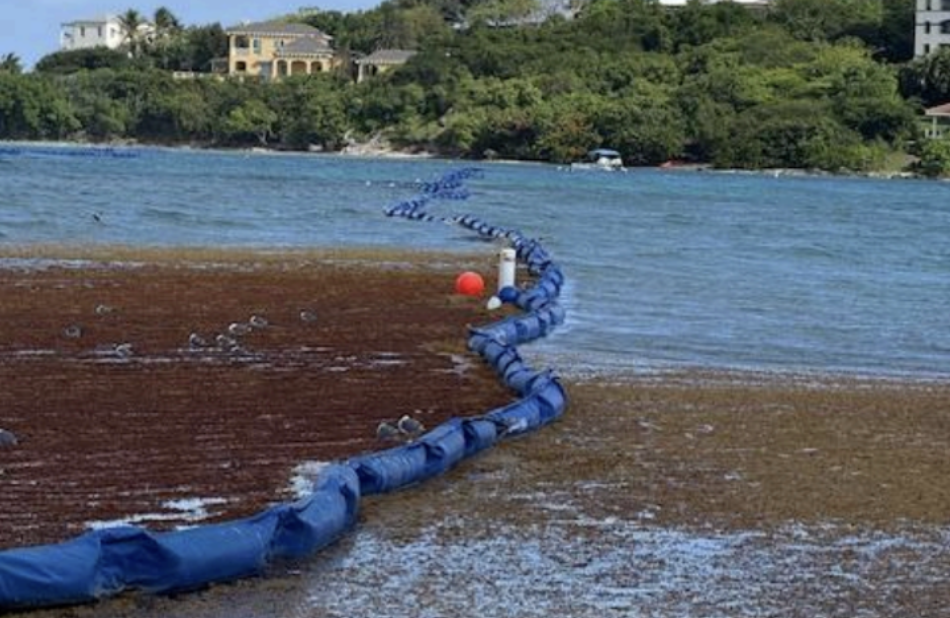 Boom Barriers in the USVI on St. Thomas (Carrubba, L., León-Pérez, M. C., Krimsky, L., Bisonó-León, A., & Dale, D., 2025)
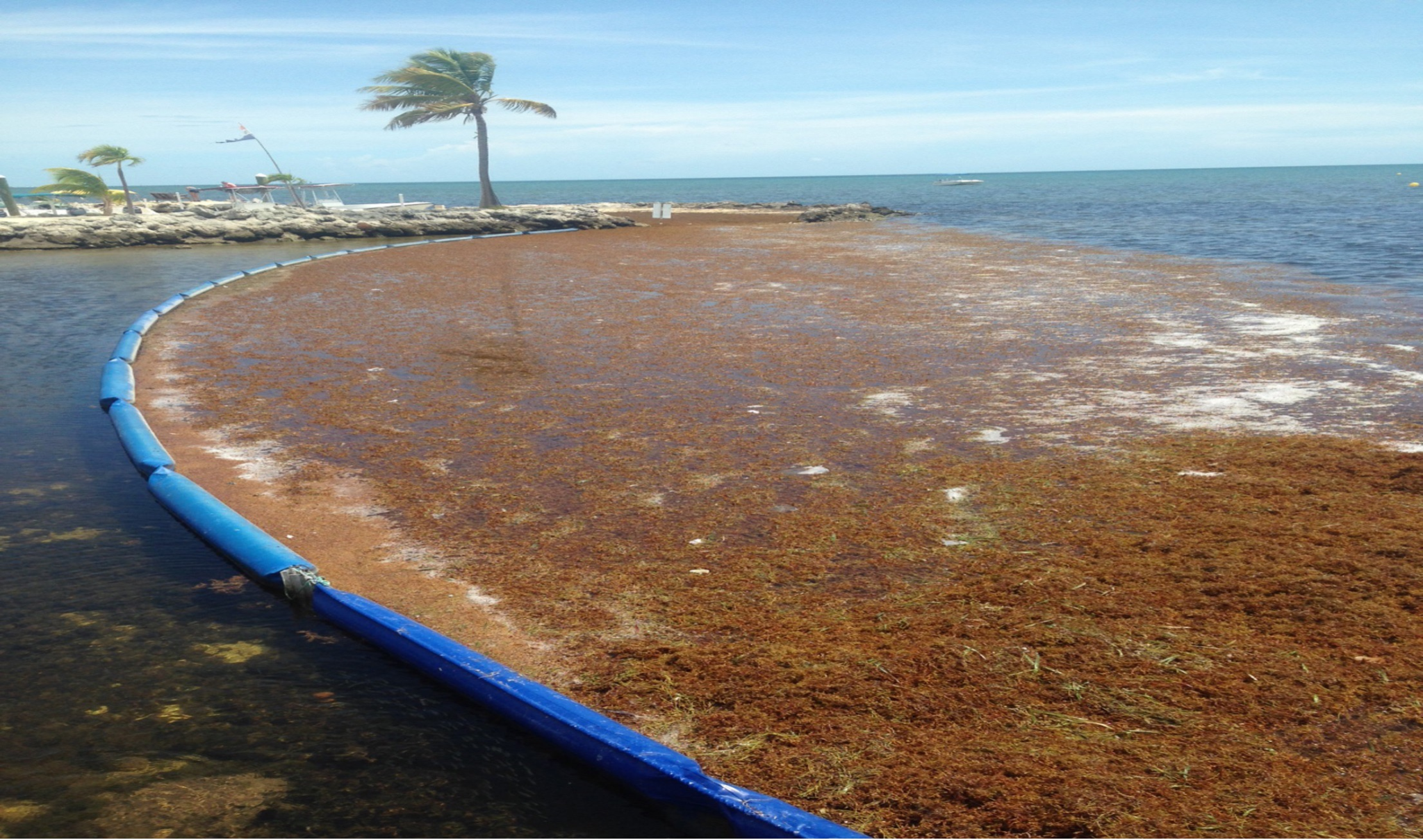
Booms are the method of choice throughout the Caribbean for intercepting Sargassum before it reaches shore, and are defined by the EPA as floating structures (nets or solid barriers) that prevent Sargassum from reaching the shore (Environmental Protection Agency, 2026). A 2025 paper by NOAA and the EPA states that, to deflect Sargassum away from shorelines, barriers use booms, anchors, buoys, nets, and bubble curtains. Additionally, a permit from the Army Corps of Engineers (USACE) is required for the implementation of booms in U.S. waters, under Section 10 of the Rivers and Harbors Act of 1899 (Carrubba et al., 2025, pgs 3-7). There are two types of booms, differing in function: deflection and blocking. Deflection booms redirect Sargassum entirely away from an area, directing the algae to where collection will be easier. For the implementation of deflection booms, there must be an adequate understanding of ocean conditions (i.e., wind, currents, swells) to ensure that the Sargassum is not unintentionally redirected to vulnerable areas, such as unprotected beaches, mangrove, or seagrass beds. Blocking booms prevent Sargassum from washing ashore by retaining the seaweed. The Sargassum retained by these booms must be collected routinely, and collection capacity varies with boom length; some are over 1000 meters long, thus having a higher capacity to collect the seaweed. Both kinds of booms consist of nets and floats anchored by professionally trained divers in the best-suited seabed areas, avoiding vulnerable and sensitive areas (Caribbean Sargassum & Interreg Caraïbes, 2023).
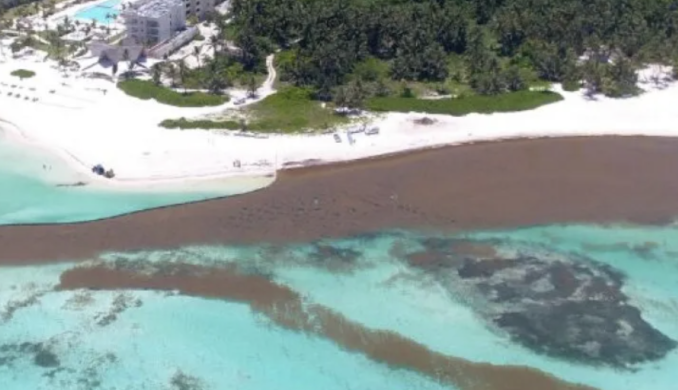
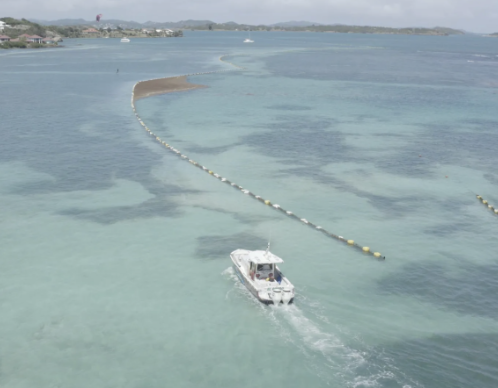 Deflecting boom (top) and blocking boom (bottom) Caribbean Sargassum & Interreg Caraïbes. (2023)
However, both governmental agencies and peer-reviewed research caution that these methods have significant practical limits. NOAA warns that deploying booms can affect benthic ecosystems and cause substantial amounts of Sargassum to accumulate along boom structures, requiring repeated maintenance and monitoring (Brown et al., 2025, pg 13). Additionally, a 2021 article in Frontiers in Marine Science found that, in some boom installations in the Caribbean, Sargassum biomass exceeded the capacity of the barriers, resulting in large amounts of Sargassum on nearby beaches and on the seabed below the booms due to the sinking of biomass accumulated within the barriers. Furthermore, the study emphasizes that in-water collection of Sargassum should incorporate measures to avoid the incidental capture of organisms, such as juvenile fish. This ecological concern applies to on-shore collection of Sargassum, reinforced by NOAA’s regulatory framework, stating that anyone harvesting Sargassum onshore needs an incidental take permit, as such harvesting can include seaweed as well as the animals living within it, including sea turtles, specifically post-hatchlings and small juveniles (Robledo et al., 2021, pgs 2-6).
Collection Methods
When Sargassum cannot be fully intercepted offshore, collection becomes the next step in responding to SIEs and is extremely time-sensitive. The EPA identifies nearshore water collection as the preferred approach to collection, when possible, outlining several key best practices, including: collecting directly from the water to prevent the sinking of dead or dying Sargassum, trying to minimize sand in the collection processes of Sargassum, clear guidelines to avoid marine life disturbances (including checking for trapped marine life), and ensuring that vessel storage areas and capacities are appropriately sized. Collecting from the water before Sargassum reaches the shore is preferable because once the seaweed washes ashore, the management challenge becomes considerably more difficult and expensive (Environmental Protection Agency, 2026).
When beach collection becomes unavoidable, the window for safe and effective removal is narrow. Researchers and experts of Caribbean Sargassum recommend that mechanical collection must be carried out within a 72-hour timeframe, as thereafter harmful and corrosive decomposition gases (hydrogen sulfide, methane, ammonia) are released, posing public health risks to collection workers and nearby residents. However, even if the collection occurs within the 72-hour window, the large machines used can compact the soil and can remove sand in high quantities, resulting in the degradation of the coastline over time. While manual collection avoids the erosive impact of machines, it is time-consuming and a high health risk to collection workers, who are at risk of exposure to the decomposition gases emitted by Sargassum after 72 hours (National Ocean and Atmospheric Administration, 2023).
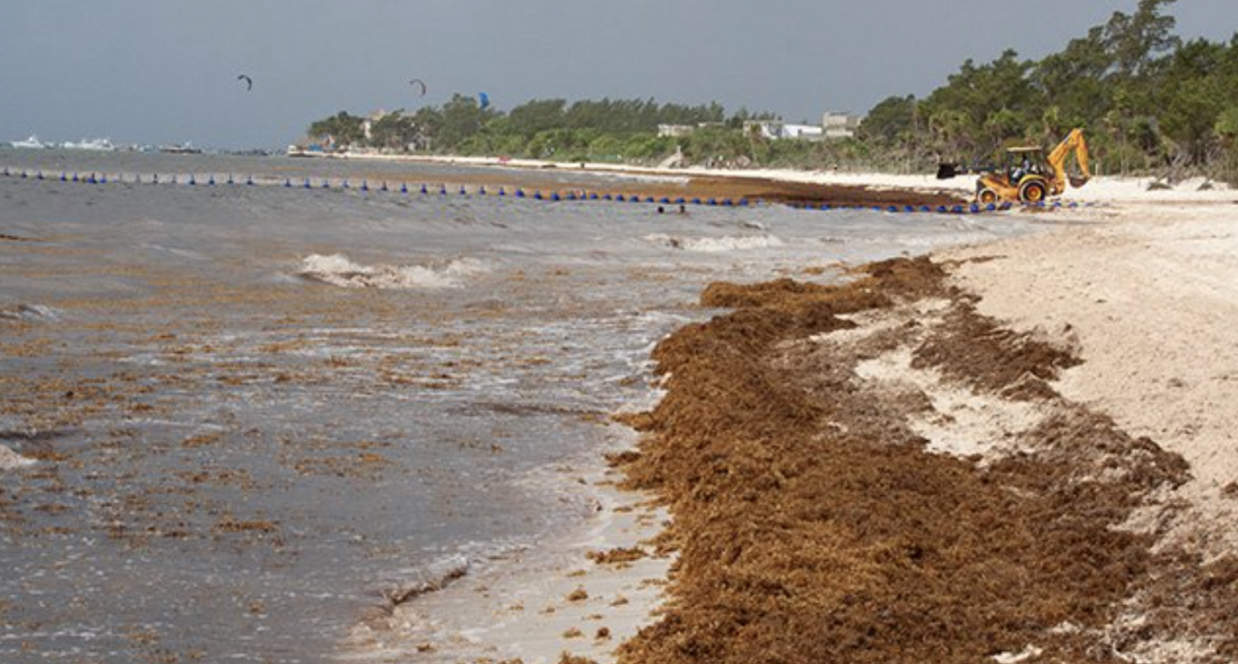 On-shore cleanup of Sargassum using heavy machinery (Environmental Protection Agency, 2026)
The expense of these collection efforts is substantial, disproportionately impacting the economies of small islands, such as the USVI. In the U.S., Miami-Dade County, Florida, spends over $3.9 million annually on Sargassum removal and disposal, and the city of Fort Lauderdale, Florida, spends $380,000 annually on Sargassum removal and disposal. The total costs of cleaning up decomposing Sargassum across the Caribbean amounted to $120 million in 2018 alone. In 2022, the USVI Department of Planning and Natural Resources Commissioner estimated that $25,000 was being spent each day to remove Sargassum, a cost that played a role in the eventual declaration of the United States Virgin Islands’ state of emergency later that same year. The USVI has a much smaller population and, therefore, a smaller tax base; these figures underscore that collection alone cannot be relied on as a long-term solution for managing SIEs (National Oceanic and Atmospheric Administration Southeast & Caribbean, 2025). Therefore, the combination of offshore interception, responsible nearshore collection, and forward planning,as discussed throughout this essay, is essential, especially in the U.S. Virgin Islands.
Failures and Limitations
The control of sargassum through diversion and containment is a very difficult process to achieve. Following this, there are numerous accounts of failures and limitations in communities’ attempts to restrict the annual seagrass. Firstly, the failure of the barrier set-up offshore of Mexico, where the local government of Playa del Carmen, in coordination with the Navy, deployed a 5-kilometer offshore net. The intention was to create a barrier to prevent the inflow of sargassum from reaching the recreational beaches. Unfortunately, soon after the barrier was completed, strong southeasterly winds overtook the region, destabilizing the barrier and allowing the large quantity of collected sargassum to flood directly onto the central beaches of Playa del Carmen. It was later reported that ‘around 100 tons of sargassum are being pulled from the sand every day’ (Cancun Sun, 2026).
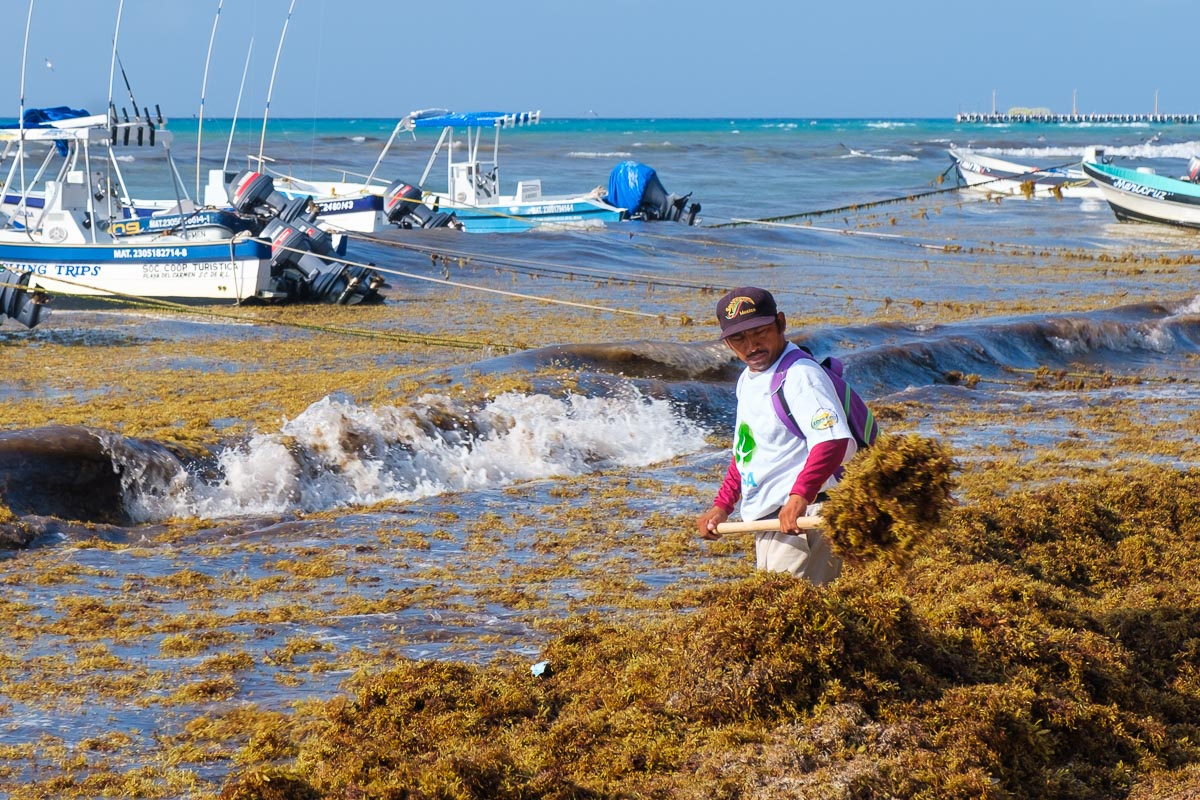
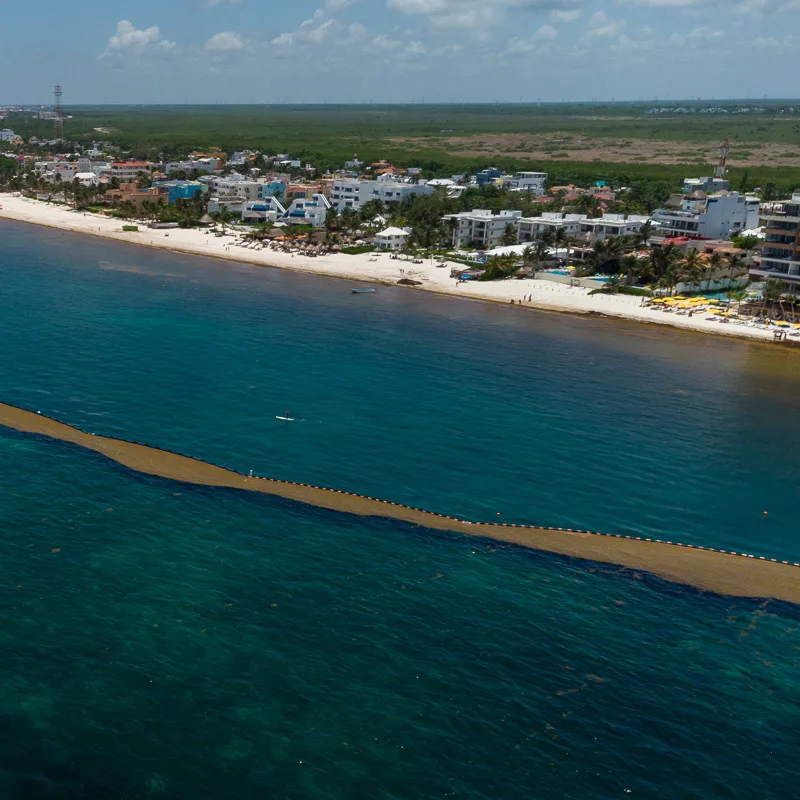 Cancun Sun: Steven Cruse, 2022
Similar incidents have been popping up across the Mexican coast. As of June 3, 2026, Navy Secretary Jose Ojeda openly stated that the sargassum had gotten far ahead of the Navy’s efforts to prevent it from reaching the shore. The greatest barrier here is equipment failures, only further complicated by tides and bad weather (Cancun Sun, 2026). Even in the past, the Navy was having difficulty taking the boats out due to weather, and even when the boats could be taken out, they struggled to set up the barriers and collect the sargassum. In fact, as of April of 2022, only around 1% of the sargassum has been able to be collected, though to be fair, the average is usually only around 4% (Cruse, 2022).
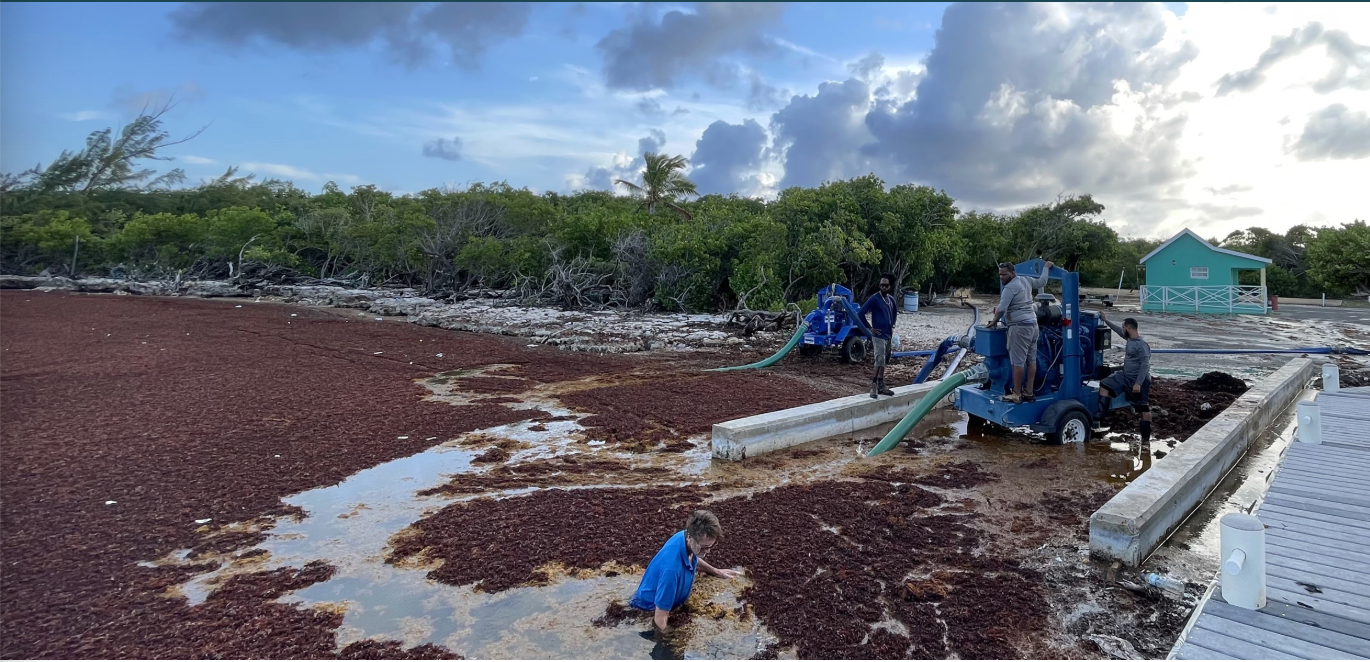 Hakai Magazine: Photo by Cayman Islands Department of Environment, 2022
There is also the failure of the pumping systems installed in the Cayman Islands. The pumps were set up to remove a large quantity of sargassum from the edge of the North Sound in West Bay. The pumps were a trial to remove sargassum from the beach, with the workers managing to clear more than 2,880 square feet. However, once the sargassum had reached a certain point of decomposition, it was impossible to pump from the water (Conolly, 2022). This led to the trial ending as the Cayman Islands continued to search for other solutions.
In conclusion, no single solution for the collection and diversion of sargassum has proved truly effective. All current known methods on the market have their own operational limits and must be taken with a grain of salt.
Successes and Promising Directions
While the process of collecting and diverting sargassum from shorelines is often a failure, there have been some successes and promising developments in recent years.
For starters, in the French Antilles, the collection and removal of sargassum has been a government priority. Several collection methodologies were selected and tested, including offshore barriers, manual collection, and collection assistance equipment. One of the most successful methods was using a mechanized beach rake to clear volumes of sargassum, as well as using cane loaders, agricultural machines designed to pick up and cut sugarcane, to pick up the sargassum. They also employed a device called ‘The Sargator’, designed by a company to harvest sargassum at sea using a barge outfitted with a treadmill. This method can harvest 6 tons per hour. On top of these government efforts, the French authorities have also begun including local fishermen, who have been actively involved in developing new solutions, adapting and using their boats and booms to collect large quantities.
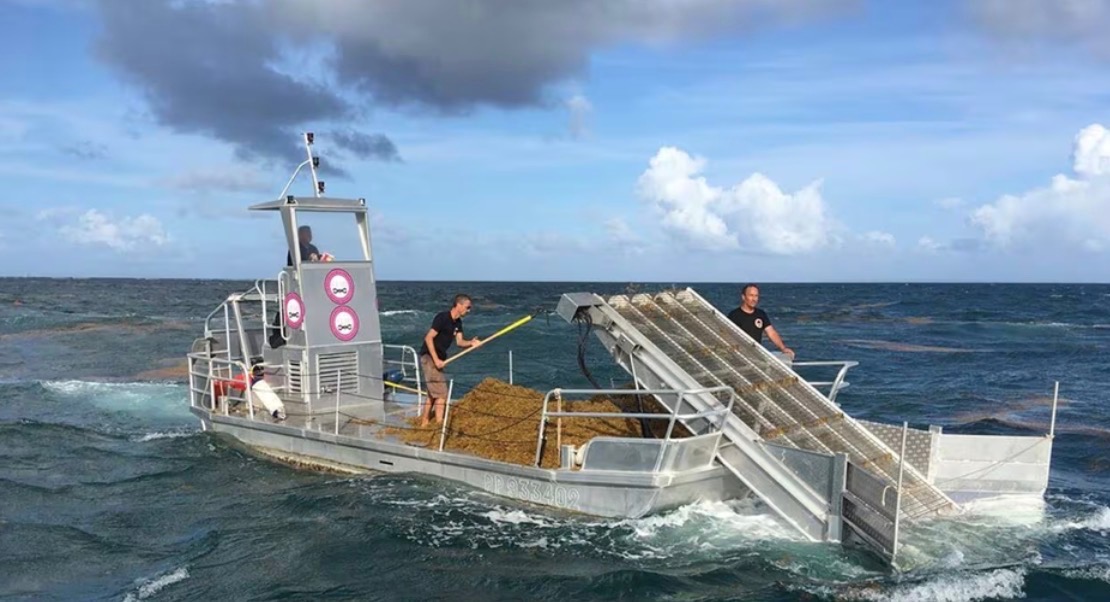 Le Marin: ‘Le prototype du Sargator lors de c en 2018’ Eric Stimpfling, 2018
The French government has also funded the recruitment of unemployed citizens to form Green Brigades, which focus on manually removing sargassum using rakes, gloves, and wheelbarrows (Sargassum Information Hub, 2023). The combination of these efforts and new methodologies has proved rather successful; while not yet perfect, it shows definite signs of an improved future.
Similarly, the coastal waters of the Gulf of Mexico, St. Lucia, the Dominican Republic, and, again, the French Antilles have been using booms as a common method for sargassum diversion and collection. There are blocking booms as well as deflecting booms, made of nets and floats that are moored in the seabed by professional divers. The blocking booms retain the sargassum, which must later be collected before it deteriorates at sea, a process that would have a lasting environmental impact on the marine ecosystem. The deflecting booms are placed in strategic positions to deflect sargassum toward an easy collection point, allowing terrestrial teams to finish the job (Caribbean Sargassum, 2023).
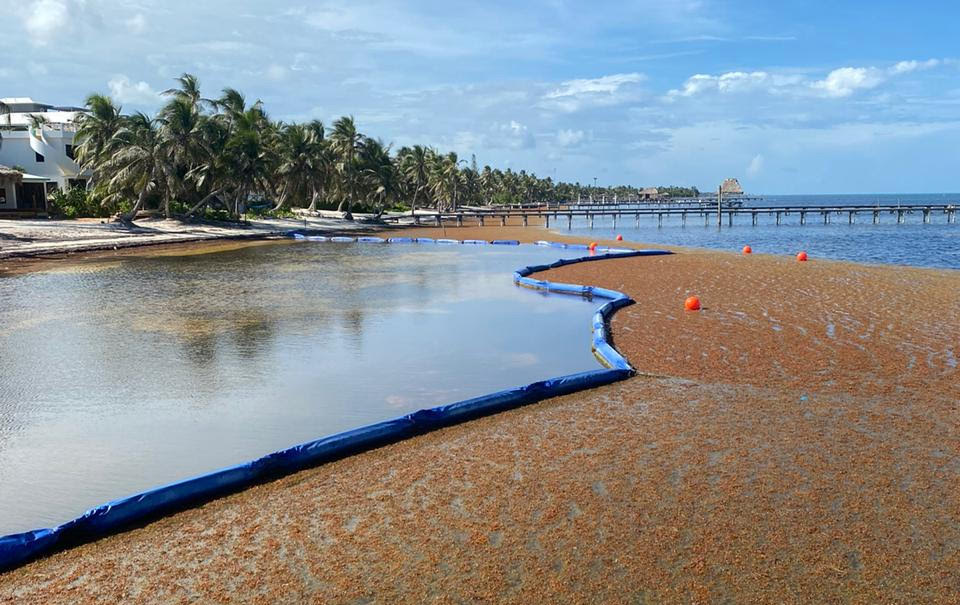
 GEI Works, 2026
In total, there is no 100% successful method for diverting and collecting sargassum, but by combining efforts both off the coast and on land, and by integrating local people with the government, sargassum control is becoming an increasingly feasible concept.
Methods of Disposal
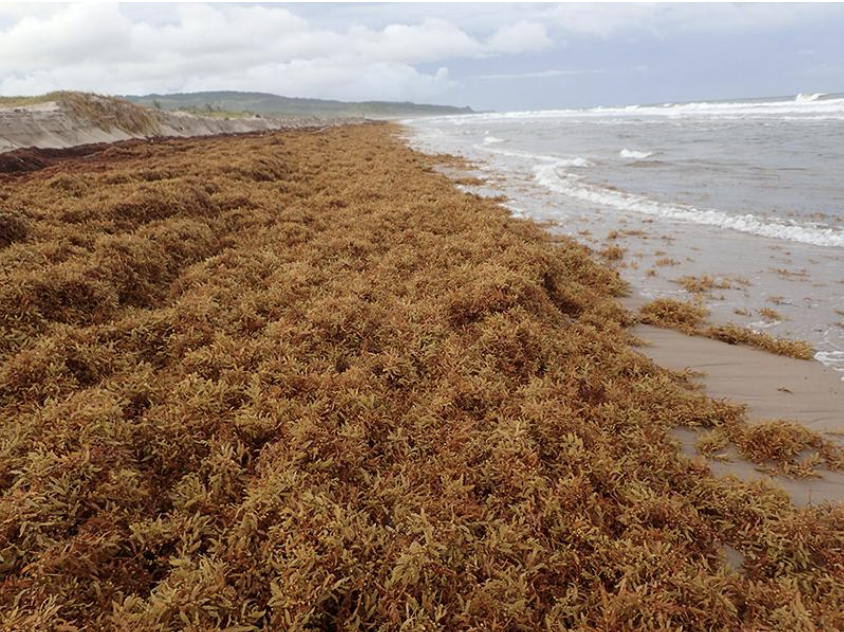 Beached Sargassum (Gaskill, 2018)
On-land Disposal
Many times, Sargassum is collected and then disposed of into landfills directly by hotels. There is the question of if excessive Sargassum would overburden local landfills, and since Sargassum is known to leach high concentrations of arsenic and cause soil erosion, the EPA also advised to monitor air quality, metal and pollutant concerns, and salinization of soil in disposal areas (US EPA, 2023). The diagram below from Abdul-Ghany et al. 2023 depicts the different management styles in addition to landfill, which involves mechanized burial and integration. While research found varying outcomes of turning Sargassum into compost (see next section), it was discovered that the economic cost of building a compost facility next to a beach is significantly smaller than the cost of cleaning up the beach (Abdool-Ghany, 2023). The use of machinery may dispose of Sargassum more effectively than manual disposal, but it may harm wildlife and pose huge financial burdens on local governments that receive large amounts of Sargassum offshore.
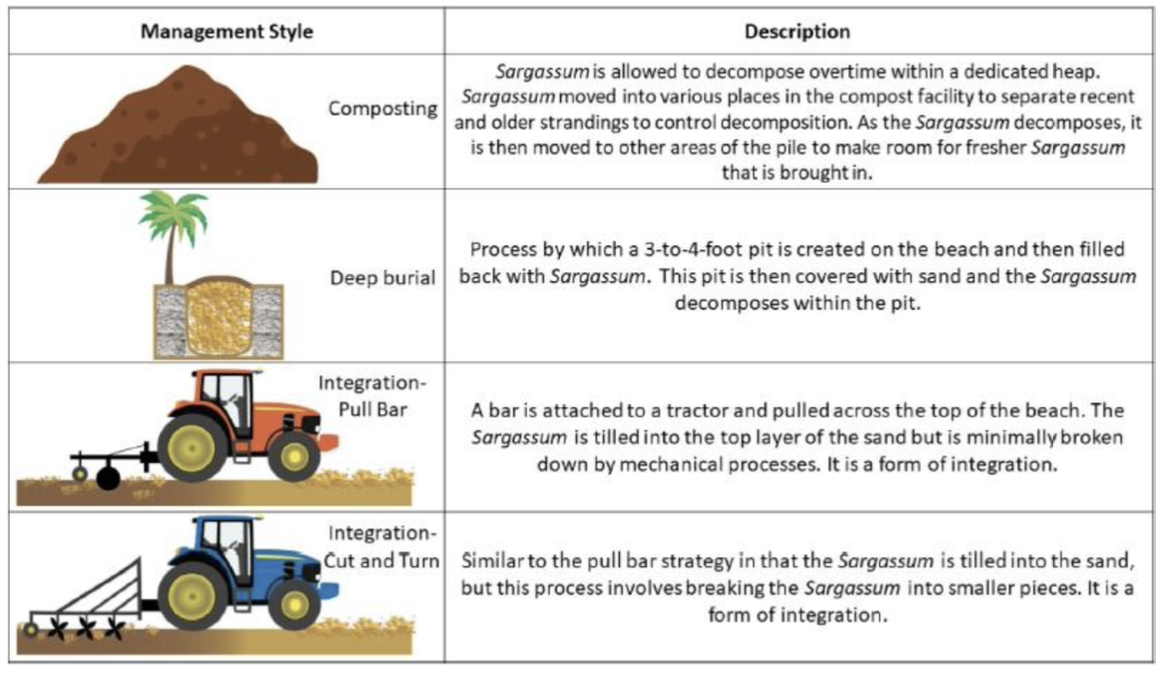 Management Styles (Abdool-Ghany et al, 2023)
Leaving the material in place
In some places including state parks, wildlife refuges, and remote beaches in Florida, Sargassum is left in place to decompose naturally (Carrubba et al, 2025). This method does not require any labor or clean up equipment, but it was chosen mostly because of the challenge in accessing the areas.
Ocean disposal
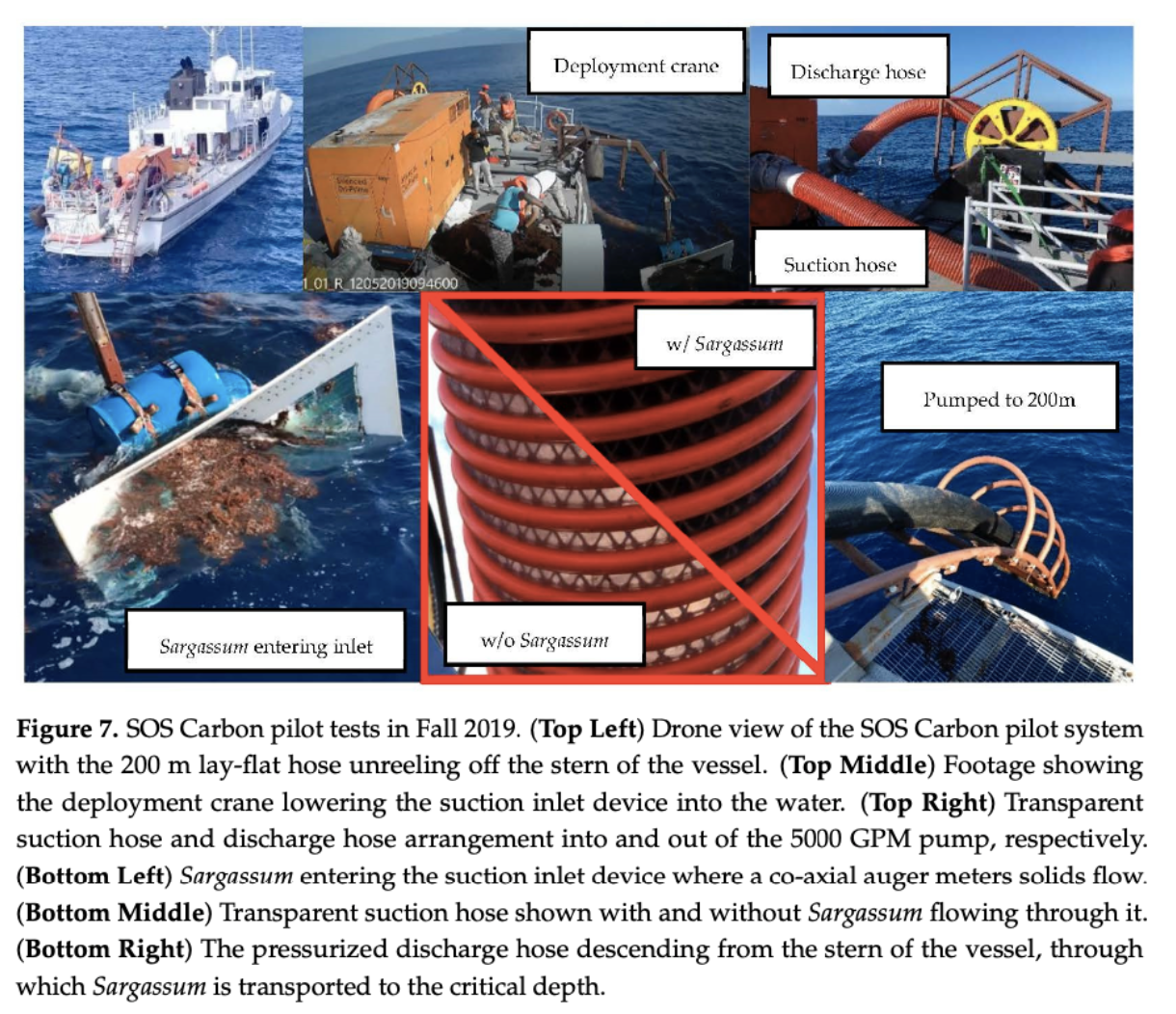
Apart from on-land disposal, there is this innovative way of disposing Sargassum by sinking it into the ocean. Considering the intrinsic values of Sargassum, this method doesn’t kill life but returns Sargassum back to the ocean (Fiondella, 2024). Researchers have developed an experimental Litoral Collection Modules (LCMs), attached to artisanal fishing boats, to collect Sargassum in nets and then to be pumped into 150-200m deep (Gray et al, 2021). Sargassum Ocean Sequestration of Carbon (SOS Carbon) is the strategy that uses the hydrostatic pressure at the depth of ~150-200m to sink the pneumatocyst part of the Sargassum, sequestering Sargassum onto the deep ocean floor (Gray et al, 2021). Compared to on-land disposal, this method is able to relocate large amounts of Sargassum in a less conspicuous way than using trucks on land, while eliminating public health risks and preventing over-filling landfills (Gray et al, 2021). More information about the models is available at https://soscarbon.com/.
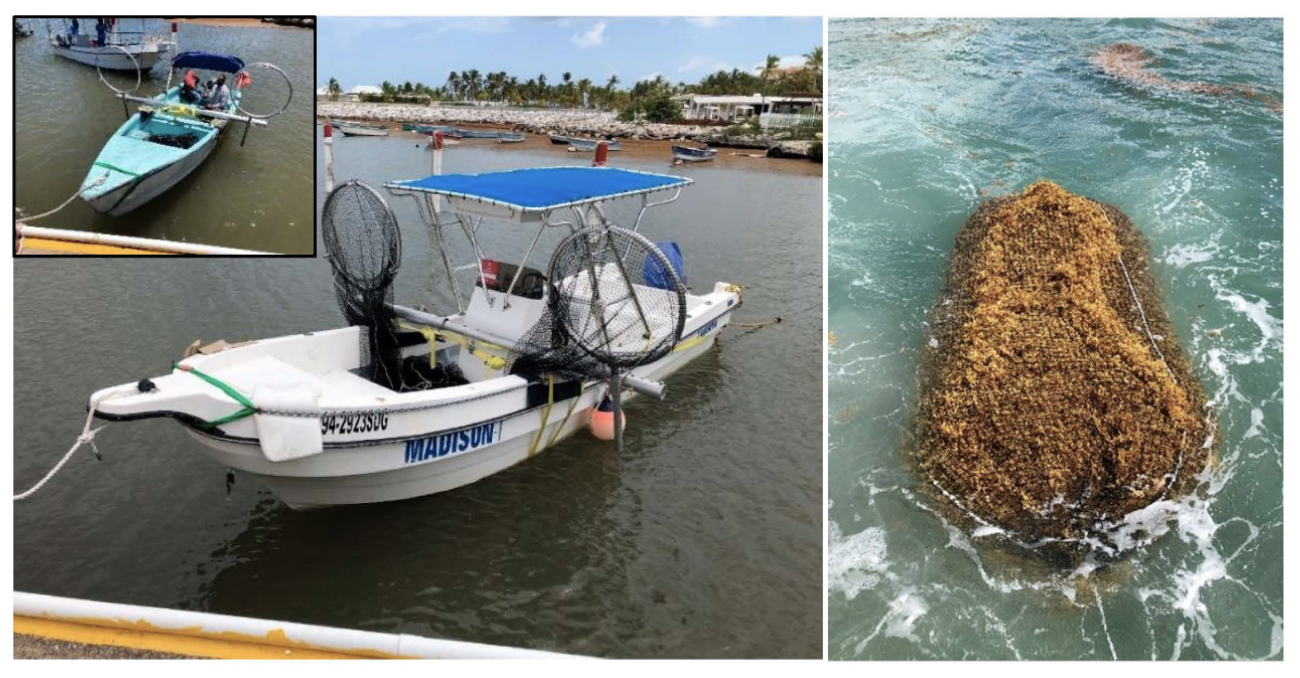
 The Litoral Collection Module (Gray et al, 2021)
In addition to this, researchers such as Ajit Subramaniam wanted to take a step further and sink the Sargassum to a further depth. He stated that models showed that the water 2000 meters deep in the ocean will not be able to make it back to the ocean surface for at least 100 years, so carbon sequestration is more realistic when Sargassum is sent 1000+ meters deep into the ocean(Fiondella, 2024). https://www.youtube.com/watch?v=CH7MpiGCdgU
Currently, many countries lack the legal framework for Sargassum disposal. However, it is noteworthy that depending on where the disposal process is performed, U.S. federal regulations including the Magnuson-Stevens Fishery Conservation and Management Act (MSA), Clean Water Act, and the Endangered Species Act may pose certain restrictions or permit requirements. For instance, if the disposal process requires the use of mechanized equipment, it might require a USACE permit under Section 404 since it might involve discharge of dredged or fill material. Regarding the Endangered Species Act, as it rules no individual should harm endangered species, the personnel performing the disposal need to be mindful of the impact of their method on potential ESA-listed species such as sea turtles.
Uses of Sargassum
As Sargassum becomes more frequent and severe across the Caribbean, Gulf of Mexico, and Atlantic coastlines, many governments, scientists, and entrepreneurs have begun exploring ways to repurpose or dispose of the biomass. While traditional responses involve moving the beached seaweed to a landfill, a growing number of alternative uses offer potential economic and environmental benefits. However, many of these uses are in early stages of research and raise important concerns, particularly around heavy metal contamination.
Compost and Fertilizer
Using sargassum as a compost or fertilizer is a suggestion on how to reuse sargassum because it is rich in nitrogen. Some projects have successfully tried Sargassum compost for growing mangrove in restoration efforts (Trench et al, 2022). However, this comes with downsides, as research conducted by WWF-Mexico and STINAPA Bonaire found that vegetables grown in Sargassum compost accumulated higher levels of heavy metals. This has brought up caution behind using untreated Sargassum as fertilizer for crops intended for human or animal consumption (Johnson, 2022). SOS Biotech is a company in the Dominican Republic that works with Sargassum, from harvesting and coastal clean up to biorefining and product development. They convert the sargassum into many products, such as an organic biostimulant for agriculture (SOS Biotech, 2026).
Animal Feed and Aquaculture
People are also exploring the use of Sargassum as a diet for livestock and aquaculture. Research has shown that some Sargassum species can be used in low concentrations to feed fish such as Asian sea bass, rainbow trout, and shrimp without negative effects. The heavy metal contamination issues that limit fertilizer use also restrict its use as a feed. The arsenic and cadmium content in Sargassum exceeds the regulatory thresholds for food and feed products in many countries (US EPA, 2023). Processing methods to reduce arsenic content (such as washing, soaking, and drying) can help, but the concentrations may still exceed safe limits after treatment.
Biofuels and Biochar
Sargassum’s high organic content makes it capable of being used in making bioenergy. Research shows that it has the potential to make methane through anaerobic digestion. A study on Sargassum in the Turks and Caicos Islands found it has measurable methane potential, suggesting value as a renewable energy source (Milledge et al, 2020). Biochar is produced by heating organic material in the absence of oxygen, and is another proposed product. However, producing biofuels or biochar at a scale that equals SIE impacts is challenging. The energy and infrastructure costs of processing large, wet, salt-laden biomass can outweigh the energy gained.
Construction Materials
Construction material such as cement has been proposed to be made with sargassum. In some Caribbean and Mexican communities, small-scale trials have used Sargassum in building materials as a low-cost, locally available resource. These applications are appealing because they can get past the food safety concerns associated with agricultural uses, and the heavy metal content is less of a concern when the material is locked into construction materials rather than entering the food chain. However, these uses remain largely experimental and have not been adopted at any commercial scale. How Bricks Made From Invasive Seaweed Clean Mexico’s Beaches
Biosorbents and Water Remediation
One of the most scientifically promising uses for sargassum is as a biosorbent for removing heavy metals from contaminated water. Research has shown that untreated Sargassum biomass can effectively adsorb lead (Pb) and cadmium (Cd) from water. This application converts the pollution problem into a potential solution by using it to absorb the same metals it would be releasing as it decomposes on shorelines. This use requires careful processing to dry and stabilize the biomass, but does not require removal of the metals it already contains; in fact, the higher its metal-binding capacity, the better it performs (Sarma et al, 2024).
Pharmaceuticals, Cosmetics, and Bioplastics
Sargassum contains bioactive compounds such as antioxidants, antimicrobials, and anti-inflammatory properties, which have potential pharmaceutical and cosmetic applications. Some artisans in the Caribbean have made products such as soaps and skincare products using Sargassum extracts. An example of applying sargassum for a commercial use is Origin by Ocean, a Southern Finnish company that has developed a patented biorefinery process to extract useful compounds from Sargassum (Origin by Ocean, 2026). Bioplastics made from algae are also being explored as an alternative to petroleum-based plastics. However, the scale of production needed to make large-scale cosmetic or pharmaceutical products would be difficult without a rigorous purification step, but some companies are starting to get interested in its uses.
Heavy Metals and Toxins
One of the most serious concerns surrounding Sargassum is the bioaccumulation of heavy metals and other toxic substances within the algae. Sargassum is a bioaccumulator, meaning it absorbs and concentrates metals and organic pollutants from the surrounding seawater as it grows. When it washes ashore and decomposes, these accumulated substances can leach into the surrounding environment, causing issues for both the ecosystem and human health.
Heavy Metals Sequestered in Sargassum
Research has identified a range of elevated metal concentrations in Caribbean Sargassum. The most significant include:
-
Arsenic (As) Arsenic is the most concerning metal in Caribbean Sargassum. Samples collected from beaches in Mexico in 2018 showed arsenic concentrations of 29.0-65.7 mg/kg, exceeding the French Agency for Food, Environmental and Occupational Health and Safety (ANSES) recommendations for seaweed intended for human consumption.
-
Cadmium (Cd) Cadmium is another metal of concern in Sargassum, typically detected at 0.5-2.0 mg/kg, often exceeding the 0.5 ppm regulatory limit in thresholds in other countries. Cadmium is toxic to the kidneys and bones.
-
Lead (Pb) Lead content in Sargassum globally has been found to regularly exceed 10 mg/kg, a level above most international safety thresholds for food and feed products. Lead is a cumulative neurotoxin, particularly dangerous for children and developing fetuses.
-
Mercury (Hg) and Copper (Cu) Mercury and copper have both been detected in Sargassum biomass and its leachates. Mercury is a potent neurotoxin that accumulates through food chains, and even low concentrations can affect aquatic life and seafood safety. Copper can become toxic at elevated concentrations, disrupting invertebrate reproduction and fish gill function.
Other Organic Pollutants
Beyond heavy metals, Sargassum has been found to accumulate organic pollutants. Sargassum can incorporate chlordecone from contaminated waters and deposit it onshore. Additionally, researchers have detected polycyclic aromatic hydrocarbons (PAHs) in Sargassum leachate, including 16 EPA-priority pollutants. Microplastics have also been identified as a transport vector as Sargassum mats can collect and concentrate floating plastic debris, depositing it on beaches during SIEs (Sarma et al, 2024).
Environmental Effects of Heavy Metals and Toxins
The environmental consequences of heavy metal contamination from Sargassum are wide-ranging and affect multiple ecosystem components:
- Groundwater and Soil Contamination: When Sargassum decomposes in coastal landfills or on beaches, its leachate can infiltrate soils and groundwater. Arsenic, cadmium, and lead dissolving into groundwater can affect drinking water supplies.
- Coastal Marine Ecosystem Damage: As Sargassum decomposes in nearshore waters, it depletes oxygen, creating “brown tides.” This oxygen depletion can cause benthic organisms, fish, and invertebrates to die. Sargassum mats beaching on coral reefs smother and kill coral by blocking sunlight and trapping sediment. Seagrass beds and mangrove root systems are similarly damaged when blanketed by thick, decomposing algal mats.
- Seafood Contamination: Bivalves (clams, mussels, oysters) filter-feed in nearshore waters and are particularly vulnerable to bioaccumulating metals leached from decomposing Sargassum. Fish species that feed on or around Sargassum, including commercially important species, may also accumulate arsenic and other metals, making them unsafe to consume (US EPA, 2023).
- Impacts on Marine Wildlife: Sea turtles can be trapped or killed by dense mats. Beached Sargassum blocking coastal nesting beaches has been documented to interfere with sea turtle nesting success. Seabirds and marine mammals that forage in Sargassum aggregations may also be exposed to accumulated contaminants (US EPA, 2023).
- Gas Emissions and Air Quality: The breakdown of beached Sargassum, while not a heavy metal effect, releases hydrogen sulfide (H2S) and ammonia (NH3) gases that impact air quality in coastal areas, with downstream impacts on terrestrial species, including humans, insects, and wildlife that share coastal habitats (US EPA, 2023). Researchers at UNC are using dispersion models to help local communities map potentially adverse health conditions associated with hydrogen sulfide exposure (Naess et al, 2026)
- Microplastic Deposition: Sargassum mats are plastic collectors in the open ocean, and their beaching events dump microplastics into coastal sediments, which can enter the food web via benthic filter feeders with cascading effects up the marine food chain (Kandeyay et al, 2023).
References
Abdool-Ghany, A. A., Blare, T., & Solo-Gabriele, H. M. (2023). Assessment of Sargassum spp. Management strategies in southeast Florida. Resources, Conservation & Recycling Advances, 19, 200175. https://doi.org/10.1016/j.rcradv.2023.200175
Abdool-Ghany, A. A., Pollier, C. G. L., Oehlert, A. M., Swart, P. K., Blare, T., Moore, K., & Solo-Gabriele, H. M. (2023). Assessing quality and beneficial uses of Sargassum compost. Waste Management, 171, 545–556. https://doi.org/10.1016/j.wasman.2023.09.030
Alleyne, K. S. T., Small, M., Corbin, M., Vallès, H., & Oxenford, H. A. (2023). Free-swimming fauna associated with influxes of pelagic sargassum: Implications for management and harvesting. Frontiers in Marine Science, 10. https://doi.org/10.3389/fmars.2023.1090742
Antonio-Martínez, F., Henaut, Y., Vega-Zepeda, A., Cerón-Flores, A. I., Raigoza-Figueras, R., Cetz-Navarro, N. P., & Espinoza-Avalos, J. (2020). Leachate effects of pelagic Sargassum spp. On larval swimming behavior of the coral Acropora palmata. Scientific Reports, 10(1), 3910. https://doi.org/10.1038/s41598-020-60864-z
AOML Communications. (2020, January 24). Chasing Sargassum: New Insights on Coastal Sargassum Invasions - NOAA/AOML. NOAA’s Atlantic Oceanographic and Meteorological Laboratory. https://www.aoml.noaa.gov/chasing-sargassum/
AOML Communications. (2021, April 1). Tracking Sargassum Inundation Potential for Coastal Communities—NOAA/AOML. NOAA’s Atlantic Oceanographic and Meteorological Laboratory. https://www.aoml.noaa.gov/tracking-sargassum/
Appelt, A. M., & Milton, S. L. (2025). Physiological Effects of Sargassum Beach Coverage on Three Species of Sea Turtle Hatchlings. Journal of Coastal Research, 41(6), 989–999. https://doi.org/10.2112/JCOASTRES-D-24-00092.1
Attokkaran, J. R., Samage, A., Reddy, N. S., Kamath, S. V., Maraddi, A. S., Ghosh, D., & Nataraj, S. K. (2026). Brown seaweed-derived high-performance electrode prepared using DES as green solvent to serve as effective cathode in aqueous Zn-ion battery. Biomass and Bioenergy, 204, 108387. https://doi.org/10.1016/j.biombioe.2025.108387
Bergstedt, J. H., Skov, P. V., & Letelier-Gordo, C. O. (2022). Efficacy of H2O2 on the removal kinetics of H2S in saltwater aquaculture systems, and the role of O2 and NO3−. Water Research, 222, 118892. https://doi.org/10.1016/j.watres.2022.118892
Birrell, C. L., McCook, L. J., & Diaz-Pulido, B. L. W. & G. A. (2008). Effects of benthic algae on the replenishment of corals and the implications for the resilience of coral reefs. In Oceanography and Marine Biology. CRC Press. Bonaldo, R. M., & Hay, M. E. (2014). Seaweed-Coral Interactions: Variance in Seaweed Allelopathy, Coral Susceptibility, and Potential Effects on Coral Resilience. PLOS ONE, 9(1), e85786. https://doi.org/10.1371/journal.pone.0085786
Brown, M., Martinez, F., Arzayus, F., Carrubba, L., Egan, K., Galloway, J., Hernandez, F., Lapointe, B., León-Pérez, M., Stoffle, B., & Trinanes, J. (0000-0003-1529-3371). (2025). Workshop Report: Assessing Sargassum Knowledge Gaps for Effective Management. https://doi.org/10.25923/rk3r-wd43
Burgo, M., Fabricius, K. E., & Hoey, A. S. (2025). The structure and composition of macroalgal communities influence coral recruitment on an inshore reef of the Great Barrier Reef. Coral Reefs, 44(4), 1315–1326. https://doi.org/10.1007/s00338-025-02691-0
Burrowes, R., Wabnitz, C., & Eyzaguirre, J. (2019, February 7). The Great Sargassum Disaster of 2018. ESSA. https://essa.com/the-great-sargassum-disaster-of-2018/
Cabanillas-Terán, N., Pérez-Posada, I., Rosas-Luis, R., Rodríguez-Martínez, R. E., Lizcano, D. J., & Aragón-Moreno, A. A. (2025). Overlapping niches among sea urchin species reveal Sargassum-induced degradation at Caribbean shallow coral reefs. Science of The Total Environment, 999, 180297. https://doi.org/10.1016/j.scitotenv.2025.180297
Cacciapaglia, C., & van Woesik, R. (2016). Climate-change refugia: Shading reef corals by turbidity. Global Change Biology, 22(3), 1145–1154. https://doi.org/10.1111/gcb.13166
Caribbean Sargassum. (2023). Sheet 4: Retention and removal of Sargassum at sea. Caribbean Sargassum. https://caribbeansargassum.com/en/thematic-sheets/sheet-4-retention-and-removal-of-sargassum-at-sea/
Carrubba, L., León-Pérez, M. C., Krimsky, L., Bisonó-León, A., Dale, D., Benjamin, A. M., Dempsey, A., Martínez-Ortiz, J., & Colón-Rivera, R. (2025). Overview of the Regulatory Framework for Strategies for Management of Sargassum Inundation Events in the United States [White Paper]. https://www.noaa.gov/sites/default/files/2025-12/Overview%20of%20the%20Regulatory%20Framework%20for%20Strategies%20for%20Management%20of%20Sargassum%20Inundation%20Events%20in%20the%20United%20States_November2025%20(1).pdf
Chávez, V., Uribe-Martínez, A., Cuevas, E., Rodríguez-Martínez, R. E., Tussenbroek, B. I. van, Francisco, V., Estévez, M., Celis, L. B., Monroy-Velázquez, L. V., Leal-Bautista, R., Álvarez-Filip, L., García-Sánchez, M., Masia, L., & Silva, R. (2020). Massive Influx of Pelagic Sargassum spp. on the Coasts of the Mexican Caribbean 2014–2020: Challenges and Opportunities. Water, 12(10). https://doi.org/10.3390/w12102908
Claquin, P., Mussio, I., Navon, M., Rusig, A.-M., Chatagnon, A., & Dromard, C. (2025). Sargassum leachate initially inhibits then stimulates phytoplankton growth in coral reef waters. Journal of Experimental Marine Biology and Ecology, 593, 152146. https://doi.org/10.1016/j.jembe.2025.152146
Clements, J., Feliciano, V., & Colgan, C. (2016). Describing the Ocean Economies of the U.S. Virgin Islands and Puerto Rico. https://repository.library.noaa.gov
Cruse, S. (2022, June 4). Mexican Navy Admit Failure In Stopping Sargassum Deposits In Cancun. Cancun Sun. https://thecancunsun.com/mexican-navy-admit-failure-in-stopping-sargassum-deposits/
Davis, D., Simister, R., Campbell, S., Marston, M., Bose, S., McQueen-Mason, S. J., Gomez, L. D., Gallimore, W. A., & Tonon, T. (2021). Biomass composition of the golden tide pelagic seaweeds Sargassum fluitans and S. natans (morphotypes I and VIII) to inform valorisation pathways. Science of The Total Environment, 762, 143134. https://doi.org/10.1016/j.scitotenv.2020.143134
Einerhand, P. (2020). Man in yellow jacket and yellow pants standing on boat dock during daytime [Photograph]. https://unsplash.com/photos/man-in-yellow-jacket-and-yellow-pants-standing-on-boat-dock-during-daytime-qLIglFCcAeo Fiondella, F. (2024, January 17). Science for the Planet: Sinking Seaweed for Sequestration – State of the Planet. News from the Columbia Climate School. https://news.climate.columbia.edu/2024/01/17/science-for-the-planet-sinking-seaweed-for-sequestration/
Francis-Floyd, R. (2020). Dissolved Oxygen for Fish Production: FA27/FA002, rev. 5/1997. EDIS, 2020(5). https://doi.org/10.32473/edis-fa002-1992
FRANKS, J. S., HOFFMAYER, E. R., COMYNS, B. H., HENDON, J. R., TILLEY, J. D., GIBSON, D. P., BLAKE, E. M., JOHNSON, D. R., & WALLER, R. S. (2017). Fishes Collected in Association with Pelagic Sargassum in the Northcentral Gulf of Mexico During Surveys Conducted by the Center for Fisheries Research and Development, Gulf Coast Research Laboratory, 1999-2011: A Checklist (Proceedings of the 70th Gulf and Caribbean Fisheries Institute, pp. 328–334).
Gaskill, M. (2018, August 14). Sargassum Blooms: Too Much of a Good Thing? | Blog | Nature | PBS. Nature. https://www.pbs.org/wnet/nature/blog/sargassum-blooms-much-good-thing/
Gray, L. A., León, A. G. B., Rojas, F. E., Veroneau, S. S., & Slocum, A. H. (2021). Caribbean-Wide, Negative Emissions Solution to Sargassum spp. Low-Cost Collection Device and Sustainable Disposal Method. Phycology, 1(1), 49–75. https://doi.org/10.3390/phycology1010004
Hewapathiranage, S. & Rupika S. Rajakaruna. (2026). Effective Hatchery Management Practices To Enhance Hatching Success and Male Hatchling Output in Sea Turtle Nests Across Sri Lanka. Herpetological Conservation and Biology, 21(1), 132–145. https://www.herpconbio.org/Volume_21/Issue_1/Hewapathiranage_Rajakaruna_2026.pdf
Hoey, A. S., & Bellwood, D. R. (2011). Suppression of herbivory by macroalgal density: A critical feedback on coral reefs? Ecology Letters, 14(3), 267–273. https://doi.org/10.1111/j.1461-0248.2010.01581.x
Huffard, C. L., von Thun, S., Sherman, A. D., Sealey, K., & Smith, K. L. (2014). Pelagic Sargassum community change over a 40-year period: Temporal and spatial variability. Marine Biology, 161(12), 2735–2751. https://doi.org/10.1007/s00227-014-2539-y
Jin, D., Wang, A., & Dalton, T. (2025). Economic impacts of sargassum events in Puerto Rico, USVI, and coastal Florida. Harmful Algae, 150, 102996. https://doi.org/10.1016/j.hal.2025.102996
Johnson, J. (2022, June 9). Sargassum Fertilizer Transfers Heavy Metals to Vegetables. DCNA. https://dcnanature.org/sargassum-fertilizer/
Kandeyaya, K. B. K. D. K., Ranatunga, S., & Ranatunga, R. R. M. K. P. (2023). Occurrence of microplastics in some commercially important seafood varieties from Negombo, Sri Lanka. Regional Studies in Marine Science, 62, 102958. https://doi.org/10.1016/j.rsma.2023.102958
Kaylyn Silva. (2022). The Impact of Sargassum Seaweed in the Caribbean Region on Tourism [The College of New Jersey]. https://business.tcnj.edu/wp-content/uploads/sites/219/2023/05/Kaylyn-Silva.Impact-of-SargassumSeaweed-on-Tourism-final.pdf
Kline, D. I., Kuntz, N. M., Breitbart, M., Knowlton, N., & Rohwer, F. (2006). Role of elevated organic carbon levels and microbial activity in coral mortality. Marine Ecology Progress Series, 314, 119–125. https://doi.org/10.3354/meps314119
Kuffner, I. B., Walters, L. J., Becerro, M. A., Paul, V. J., Ritson-Williams, R., & Beach, K. S. (2006). Inhibition of coral recruitment by macroalgae and cyanobacteria. Marine Ecology Progress Series, 323, 107–117. https://doi.org/10.3354/meps323107
Lankes, J. D., Page, H. N., Quasunella, A., Torkelson, J. F., Lemaire, C., Nowicki, R. J., Blasius, L., & Hall, E. R. (2025). Quantifying coral-algal interactions in an acidified ocean: Sargassum spp. exposure mitigates low pH effects on Acropora cervicornis health. Frontiers in Marine Science, 12. https://doi.org/10.3389/fmars.2025.1487102
marin, le. (2019, January 15). Sargasses: STMI vend trois Sargator en Guadeloupe. Le Marin. https://lemarin.ouest-france.fr/industries-navales/sargasses-stmi-vend-trois-sargator-en-guadeloupe-6c3f6999-a597-49cd-a3cd-4d0219440eea
Maurer, A. S., De Neef, E., & Stapleton, S. (2015). Sargassum accumulation may spell trouble for nesting sea turtles. Frontiers in Ecology and the Environment, 13(7), 394–395. https://doi.org/10.1890/1540-9295-13.7.394
McGillicuddy, D. J., Morton, P. L., Brewton, R. A., Hu, C., Kelly, T. B., Solow, A. R., & Lapointe, B. E. (2023). Nutrient and arsenic biogeochemistry of Sargassum in the western Atlantic. Nature Communications, 14(1), 6205. https://doi.org/10.1038/s41467-023-41904-4
Milledge, J. J., Maneein, S., López, E. A., & Bartlett, D. (2020). Sargassum Inundations in Turks and Caicos: Methane Potential and Proximate, Ultimate, Lipid, Amino Acid, Metal and Metalloid Analyses. Energies, 13(6). https://doi.org/10.3390/en13061523
Morrow, K. M., Liles, M. R., Paul, V. J., Moss, A. G., & Chadwick, N. E. (2013). Bacterial shifts associated with coral–macroalgal competition in the Caribbean Sea. Marine Ecology Progress Series, 488, 103–117. https://doi.org/10.3354/meps10394
Naess, B., Isakov, V., & Teyssier, M. (2026). Dispersion Modeling to Characterize Air Pollution Exposure from Sargassum in Martinique. Air, 4(1), 4. https://doi.org/10.3390/air4010004
National Oceanic and Atmospheric Administration. (2024, October 17). Sargassum: From Sea to Shore. https://oceanservice.noaa.gov/news/sargassum/
NOAA. (2024, August 21). What is Sargassum? NOAA Ocean Exploration. https://oceanexplorer.noaa.gov/ocean-fact/sargassum/
NOAA. (2025, September 25). Ocean acidification | National Oceanic and Atmospheric Administration. https://www.noaa.gov/education/resource-collections/ocean-coasts/ocean-acidification
NOAA CoastWatch News. (n.d.). Sargassum FAQ | NOAA CoastWatch. 04/04/2023. NOAA CoastWatch. Retrieved May 31, 2026, from https://coastwatch.noaa.gov/cwn/news/2023-04-04/sargassum-faq.html
NOAA Southeast and Caribbean Regional Team (SECART). (2025). Sargassum Inundation Events (SIE) Addendum for the Guide to Integrated NOAA Disaster Resilience in the Southeast and Caribbean (Version 2). National Oceanic and Atmospheric Administration. https://www.noaa.gov/sites/default/files/2025-08/Sargassum_Addendum_Southeast_Caribbean_Disaster_Guide_2025.pdf
Öhlander, F. (. (2017). Man Holding a Fishnet Photo [Photograph]. https://unsplash.com/photos/man-holding-a-fishnet-CbeApl8sxxw
Olguin-Maciel, E., Leal-Bautista, R. M., Alzate-Gaviria, L., Domínguez-Maldonado, J., & Tapia-Tussell, R. (2022). Environmental impact of Sargassum spp. landings: An evaluation of leachate released from natural decomposition at Mexican Caribbean coast. Environmental Science and Pollution Research, 29(60), 91071–91080. https://doi.org/10.1007/s11356-022-22123-8
Origin by Ocean. (2026). Washing the Oceans | Origin by Ocean. https://www.originbyocean.com
Patterson, J., Krimsky, L., & Henry, J. (2020). Ocean Acidification: Fish Physiology and Behavior: FA219, 3/2020. EDIS, 2020(2), 5–5. https://doi.org/10.32473/edis-fa219-2020
Prévost-Manuel, J. (n.d.). Besieged by Sargassum, Caribbean Islanders Are Looking for Solutions | Hakai Magazine. Hakai Magazine. Retrieved May 31, 2026, from https://hakaimagazine.com/news/besieged-by-sargassum-caribbean-islanders-are-looking-for-solutions/
RAMLOGAN, N. R., MCCONNEY, P., & OXENFORD, H. A. (2017). Socio-economic impacts of Sargassum influx events on the fishery sector of Barbados (No. 81; CERMES Techinical Report). Centre for Resource Management and Environmental Studies (CERMES). https://sargcoop.org/wp-content/uploads/2017/05/Neema-Ramlogan-et-al.-2017-Socio-economic-impact-of-sargassum-on-the-fishery-sector-of-Barbados.pdf
Rasher, D. B., & Hay, M. E. (2010). Chemically rich seaweeds poison corals when not controlled by herbivores. Proceedings of the National Academy of Sciences, 107(21), 9683–9688. https://doi.org/10.1073/pnas.0912095107
Resiere, D., Valentino, R., Nevière, R., Banydeen, R., Gueye, P., Florentin, J., Cabié, A., Lebrun, T., Mégarbane, B., Guerrier, G., & Mehdaoui, H. (2018). Sargassum seaweed on Caribbean islands: An international public health concern. The Lancet, 392(10165), 2691. https://doi.org/10.1016/S0140-6736(18)32777-6
River, G. F., & Edmunds, P. J. (2001). Mechanisms of interaction between macroalgae and scleractinians on a coral reef in Jamaica. Journal of Experimental Marine Biology and Ecology, 261(2), 159–172. https://doi.org/10.1016/S0022-0981(01)00266-0
Robledo, D., Vázquez-Delfín, E., Freile-Pelegrín, Y., Vásquez-Elizondo, R. M., Qui-Minet, Z. N., & Salazar-Garibay, A. (2021). Challenges and Opportunities in Relation to Sargassum Events Along the Caribbean Sea. Frontiers in Marine Science, 8. https://doi.org/10.3389/fmars.2021.699664
Rodríguez-Martínez, R. E., Medina-Valmaseda, A. E., Blanchon, P., Monroy-Velázquez, L. V., Almazán-Becerril, A., Delgado-Pech, B., Vásquez-Yeomans, L., Francisco, V., & García-Rivas, M. C. (2019). Faunal mortality associated with massive beaching and decomposition of pelagic Sargassum. Marine Pollution Bulletin, 146, 201–205. https://doi.org/10.1016/j.marpolbul.2019.06.015
Rodríguez-Martínez, R. E., Tussenbroek, B. I. van, & Jordán-Dahlgren, E. (2016). The massive influx of pelagic Sargassum to the Caribbean coast of Mexico (2014-2015). (pp. 352–365). https://www.researchgate.net/profile/Brigitta-Tussenbroek/publication/320506282_Rodriguez-Martinez_et_al_-_SargassumMexico_English_Version/data/59e8da3fa6fdccfe7f9cb6eb/Rodriguez-Martinez-et-al-SargassumMexico-English-Version.pdf?origin=publication_list
Rodríguez-Muñoz, R., Muñiz-Castillo, A. I., Euán-Avila, J. I., Hernández-Núñez, H., Valdés-Lozano, D. S., Collí-Dulá, R. C., & Arias-González, J. E. (2021). Assessing temporal dynamics on pelagic Sargassum influx and its relationship with water quality parameters in the Mexican Caribbean. Regional Studies in Marine Science, 48, 102005. https://doi.org/10.1016/j.rsma.2021.102005
Rogers, F., Losbar, O., Monsalve, M. M., Campbell, K., & Carlson, S. (2024, April 11). Toxic gas, livelihoods under threat and power outages: How a seaweed causes chaos in Caribbean. The Guardian. https://www.theguardian.com/environment/2024/apr/11/toxic-gas-livelihoods-under-threat-and-power-outages-how-sargassum-seaweed-causes-chaos-in-caribbean
Sargassum Information Hub. (2023, October 12). THE FRENCH ANTILLES - SARGASSUM INFORMATION HUB. https://sargassumhub.org/the-french-antilles/
Sarma, U., Hoque, M. E., Thekkangil, A., Venkatarayappa, N., & Rajagopal, S. (2024). Microalgae in removing heavy metals from wastewater – An advanced green technology for urban wastewater treatment. Journal of Hazardous Materials Advances, 15, 100444. https://doi.org/10.1016/j.hazadv.2024.100444
Sean McCoon. (2021, September 15). Rotting Sargassum Seaweed Overwhelms Tobago Mangroves—Cari-Bois Environmental News Network. https://caribois.org/2021/09/rotting-sargassum-seaweed-overwhelms-tobago-mangroves/
SEFSC Pascagoula Laboratory; Collection of Brandi Noble NOAA/NMFS/SEFSC. (2009). English: Sargassumfish ( Histrio histrio ). Gulf of Mexico. [Graphic]. NOAA Photo Library: fish4283. https://commons.wikimedia.org/wiki/File:Fish4283_-_Flickr_-_NOAA_Photo_Library_Histrio_histrio.jpg

SOS Biotech. (n.d.). SOS Biotech. SOS Biotech. Retrieved May 31, 2026, from https://sosbiotech.global
Sun, T. C. (2026, May 2). Mexican Navy Joins Sargassum Cleaning Efforts In Playa Del Carmen After Barrier Failure. Cancun Sun. https://thecancunsun.com/mexican-navy-joins-sargassum-cleaning-efforts-in-playa-del-carmen-after-barrier-failure/
Trench, C., Thomas, S.-L., Thorney, D., Maddix, G.-M., Francis, P., Small, H., Machado, C. B., Webber, D., Tonon, T., & Webber, M. (2022). Application of Stranded Pelagic Sargassum Biomass as Compost for Seedling Production in the Context of Mangrove Restoration. Frontiers in Environmental Science, 10. https://doi.org/10.3389/fenvs.2022.932293
University of South Florida. (n.d.). Optical Oceanography Laboratory—College of Marine Science—University of South Florida. Retrieved December 14, 2025, from https://optics.marine.usf.edu/index.html
US EPA. (2023a, June 30). Basic Information on Sargassum [Overviews and Factsheets]. https://www.epa.gov/habs/basic-information-sargassum
US EPA. (2023b, July 5). Planning for and Managing Sargassum Inundation Events (SIEs) [Overviews and Factsheets]. https://www.epa.gov/habs/planning-and-managing-sargassum-inundation-events-sies
US EPA. (2023c, July 5). Sargassum Inundation Events (SIEs): Impacts on Human Health [Overviews and Factsheets]. https://www.epa.gov/habs/sargassum-inundation-events-sies-impacts-human-health
US EPA. (2023d, July 5). Sargassum Inundation Events (SIEs): Impacts on the Economy [Overviews and Factsheets]. https://www.epa.gov/habs/sargassum-inundation-events-sies-impacts-economy
van Tussenbroek, B. I., Hernández Arana, H. A., Rodríguez-Martínez, R. E., Espinoza-Avalos, J., Canizales-Flores, H. M., González-Godoy, C. E., Barba-Santos, M. G., Vega-Zepeda, A., & Collado-Vides, L. (2017). Severe impacts of brown tides caused by Sargassum spp. On near-shore Caribbean seagrass communities. Marine Pollution Bulletin, 122(1), 272–281. https://doi.org/10.1016/j.marpolbul.2017.06.057
van Woesik, R., & McCaffrey, K. R. (2017). Repeated Thermal Stress, Shading, and Directional Selection in the Florida Reef Tract. Frontiers in Marine Science, 4. https://doi.org/10.3389/fmars.2017.00182
Webber, K., Fabricius, K., Wilson, S. K., & Hoey, A. S. (2024). The influence of Sargassum biomass and thallus density on the recruitment of coral reef fishes. Coral Reefs, 43(3), 687–699. https://doi.org/10.1007/s00338-024-02494-9 Woods Hole Oceanographic Institution. (2026, October 14). New study quantifies sargassum’s multi-million dollar impact to U.S. coastal economies—Woods Hole Oceanographic Institution. https://www.whoi.edu/press-room/news-release/sargassum-economy/
Yun, S. C., Jeong, H., Lee, J.-S., Kim, J.-H., Kim, I.-C., Maszczyk, P., Yang, Z., Hagiwara, A., & Lee, J.-S. (2026). A review of ammonia toxicity on aquatic organisms: Species-specific responses, microbial shifts, and environmental interactions. Comparative Biochemistry and Physiology Part C: Toxicology & Pharmacology, 300, 110388. https://doi.org/10.1016/j.cbpc.2025.110388